Mohawk Giants
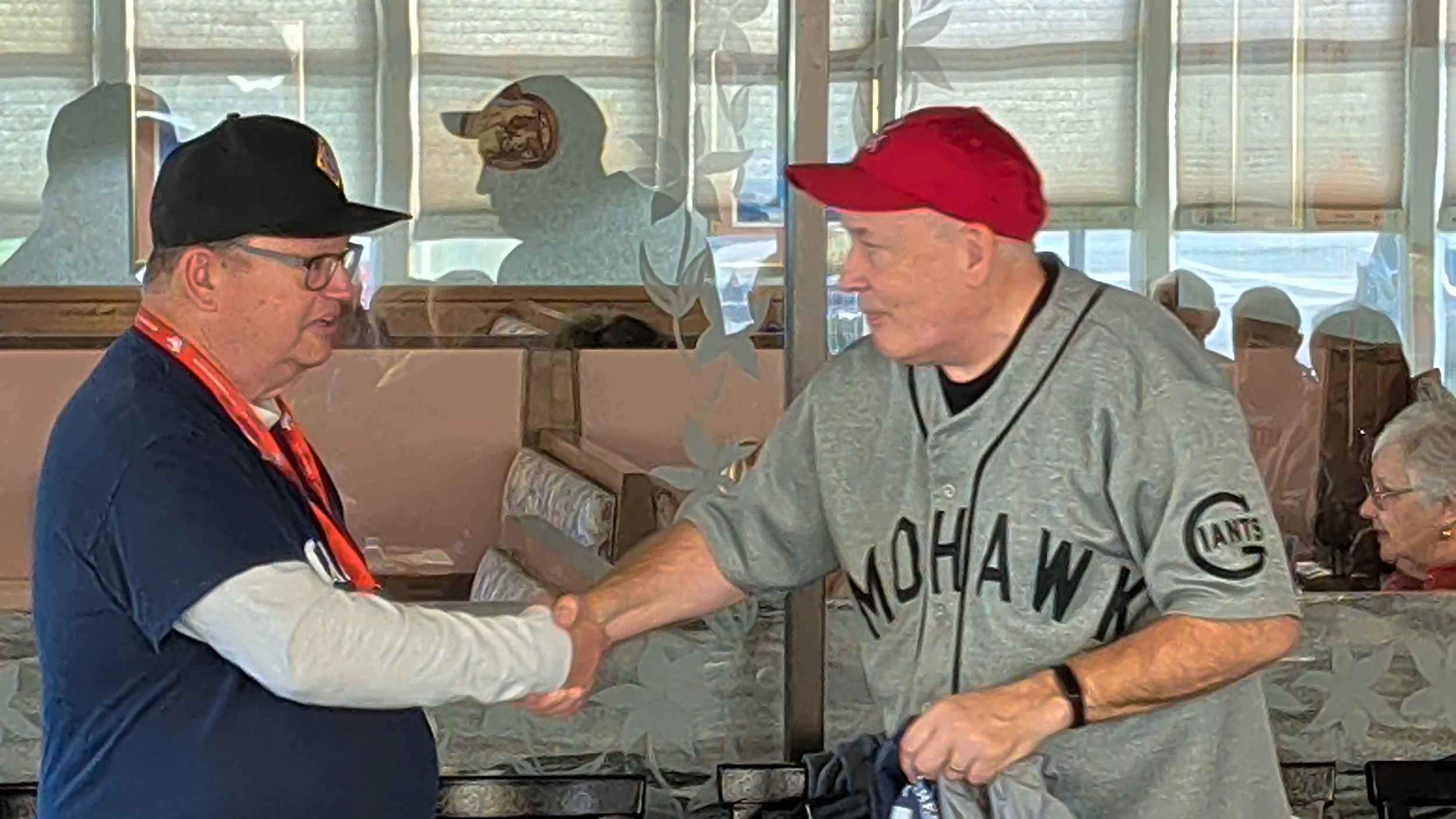
“Doc” visits Schenectady
October 2026
-
![]()
Doc visits SCS Adult Ed
Nott Terrace only blocks from Central Park’s A-Diamond & Island Park
-
![]()
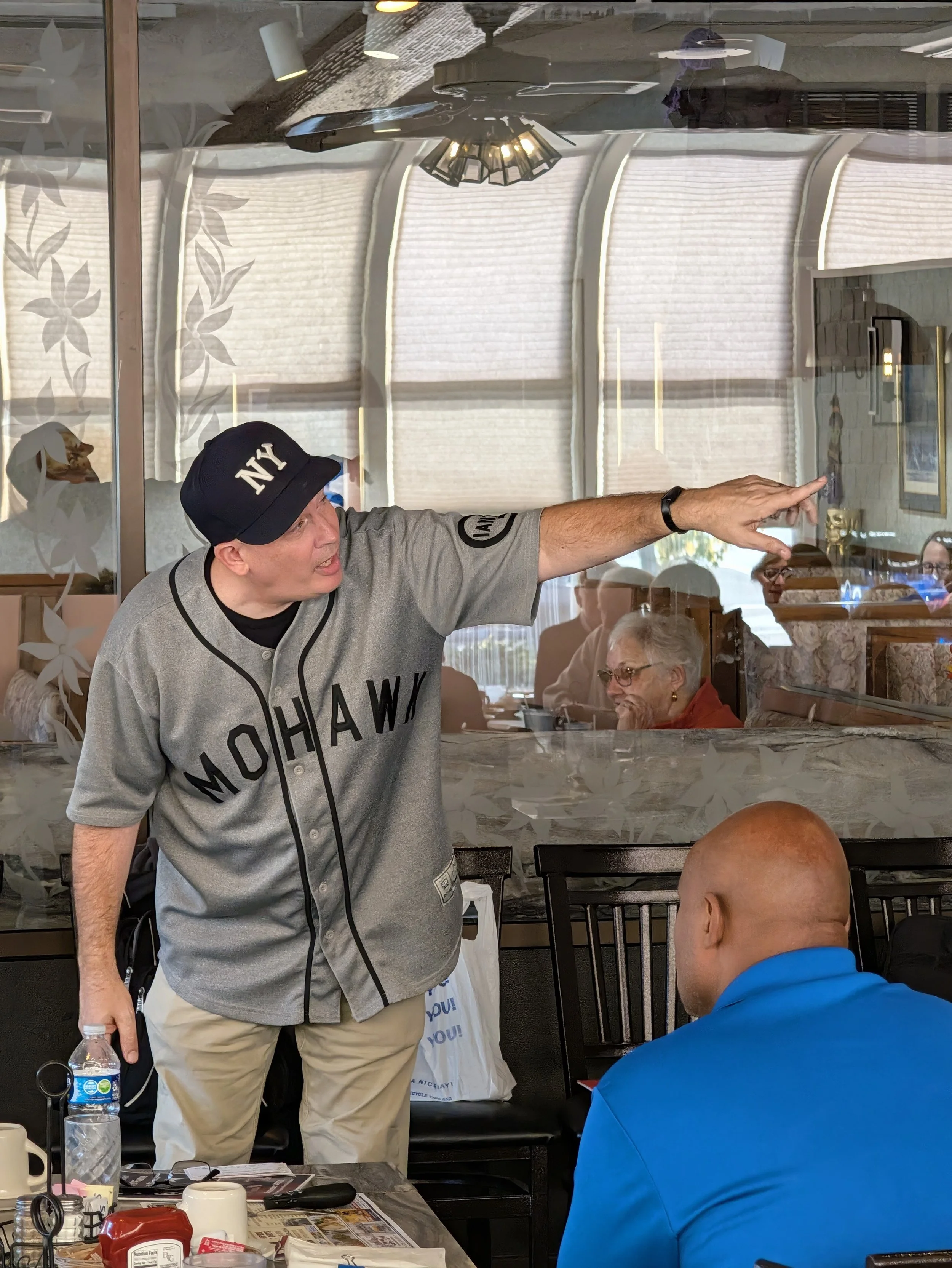
Dropping Knowledge
Mohawk Giants (Flannel by Retro Royals)
-
![]()
Great opportunity to share
Students like me: #JustAKidFromSchenectady
-
![]()
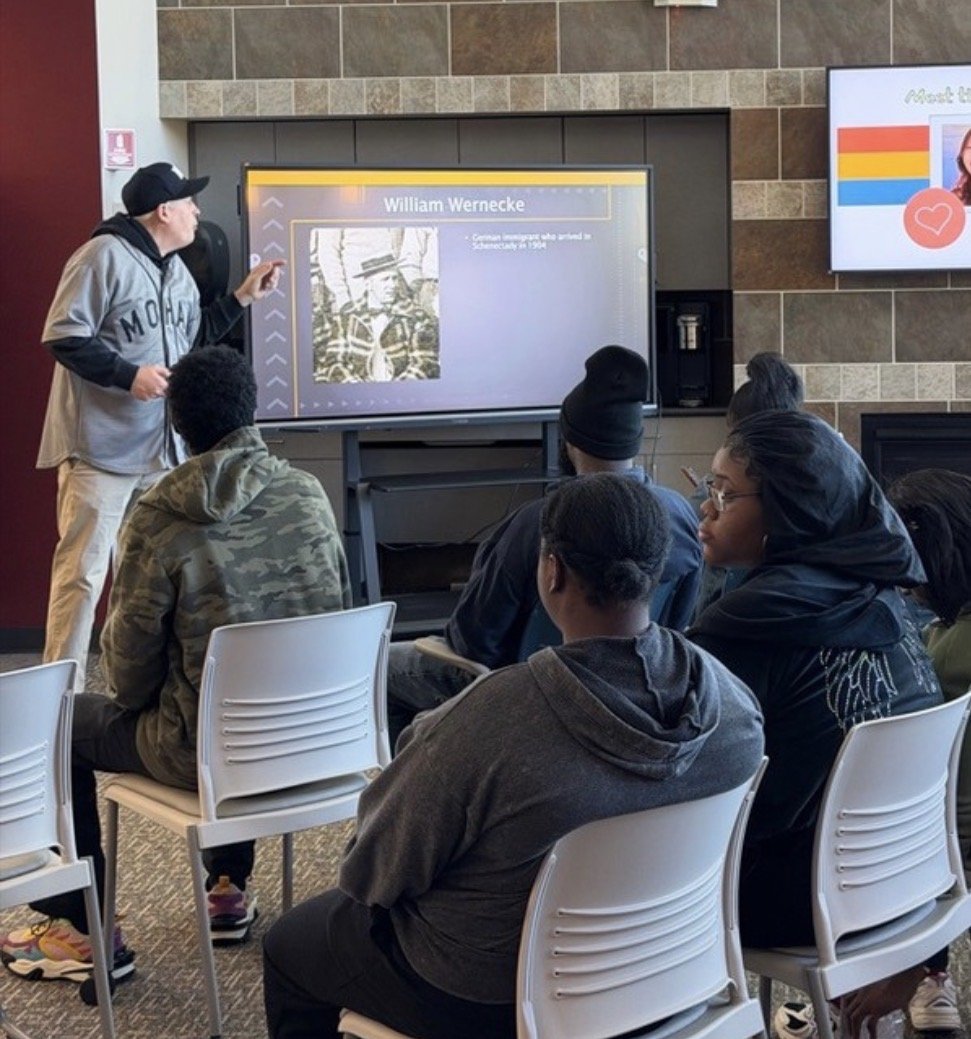
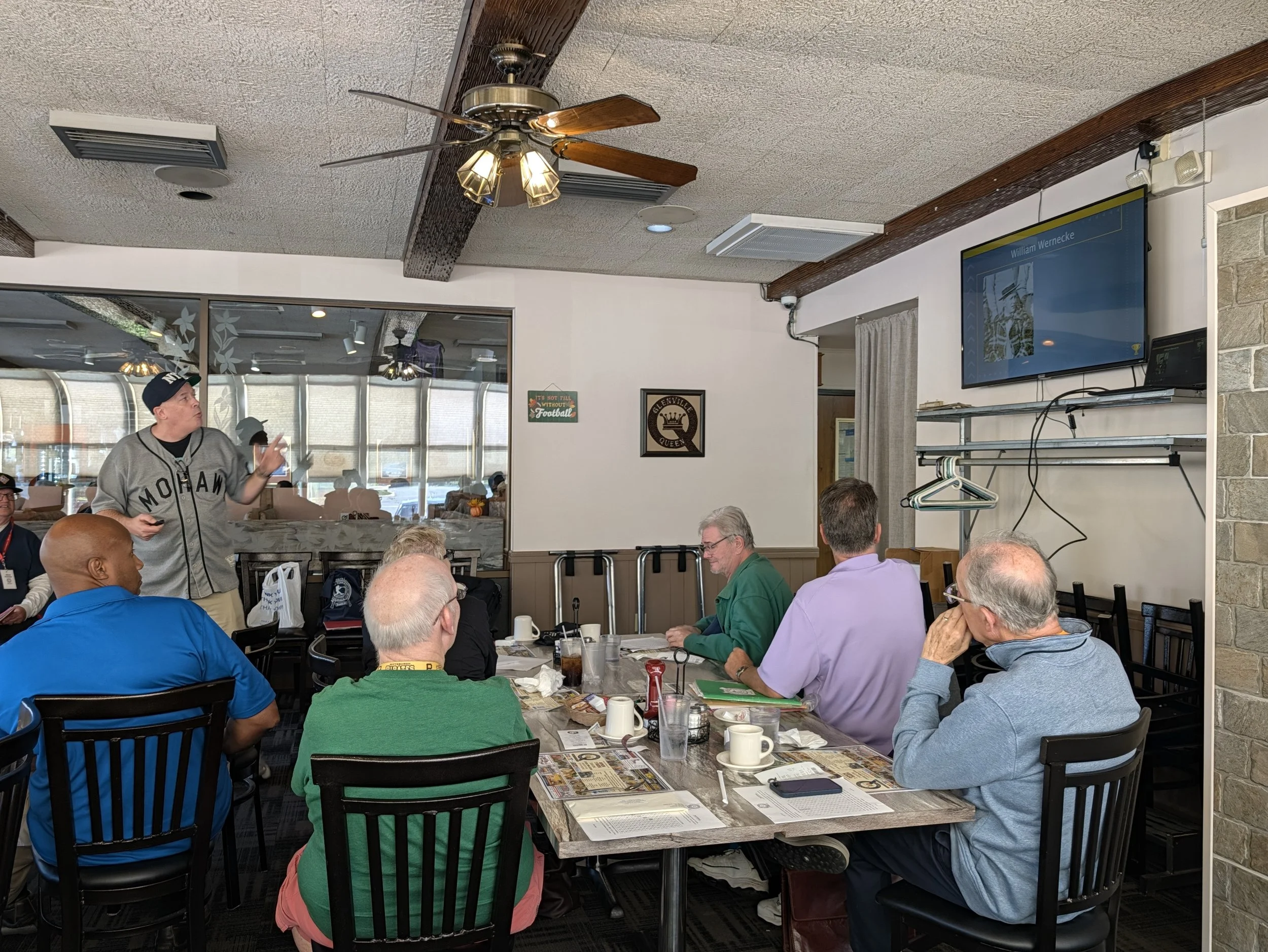
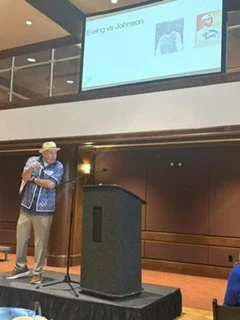
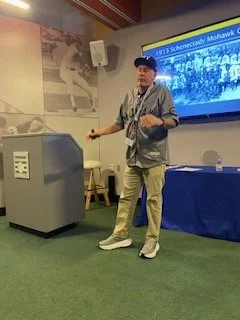
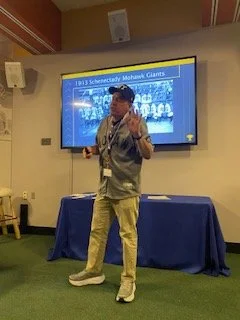
Mohawk Giants Presentation
Introducing William Werneck, owner of the 1913 Mohawk Giants
-
![]()
Feeling the Love
Great time sharing back home in Schenectady.
-
![]()
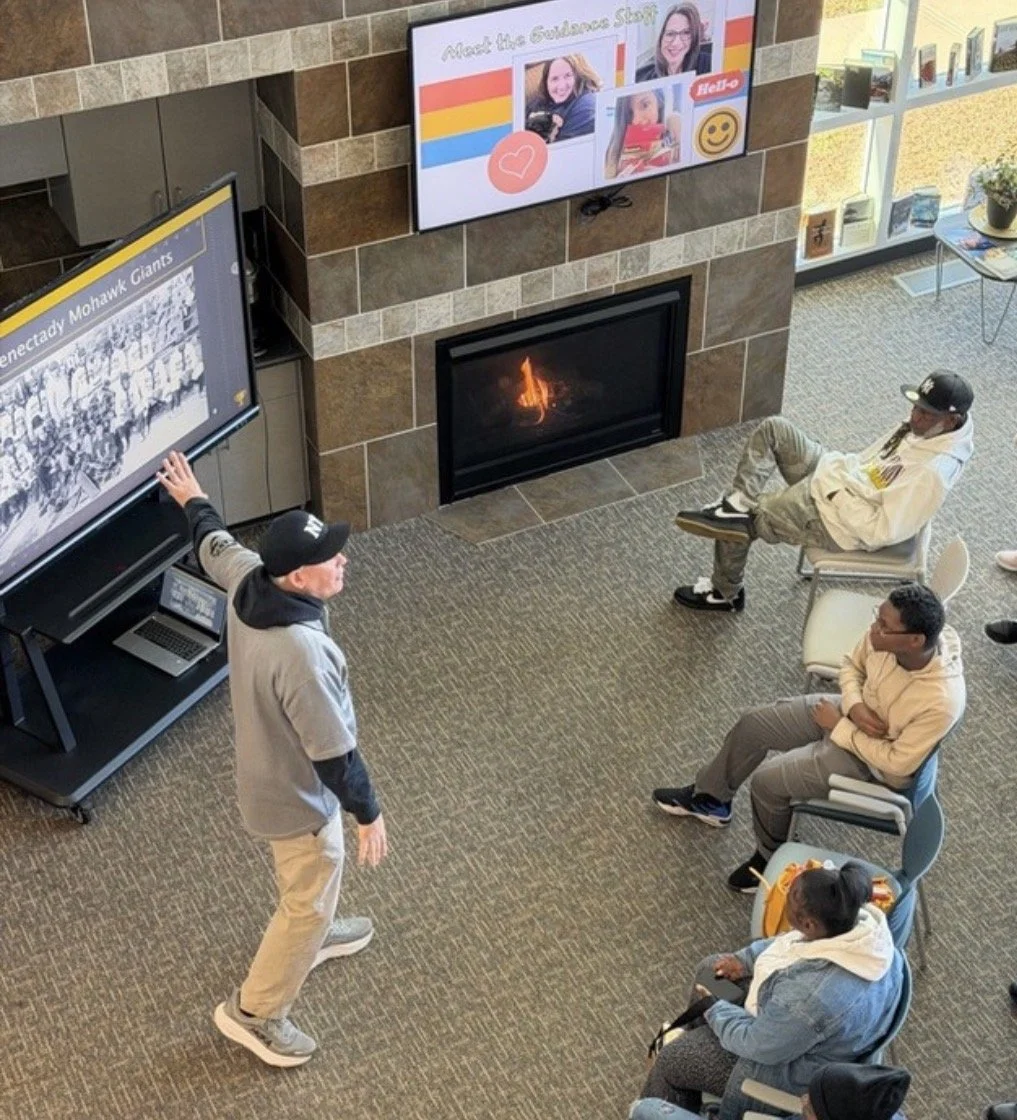
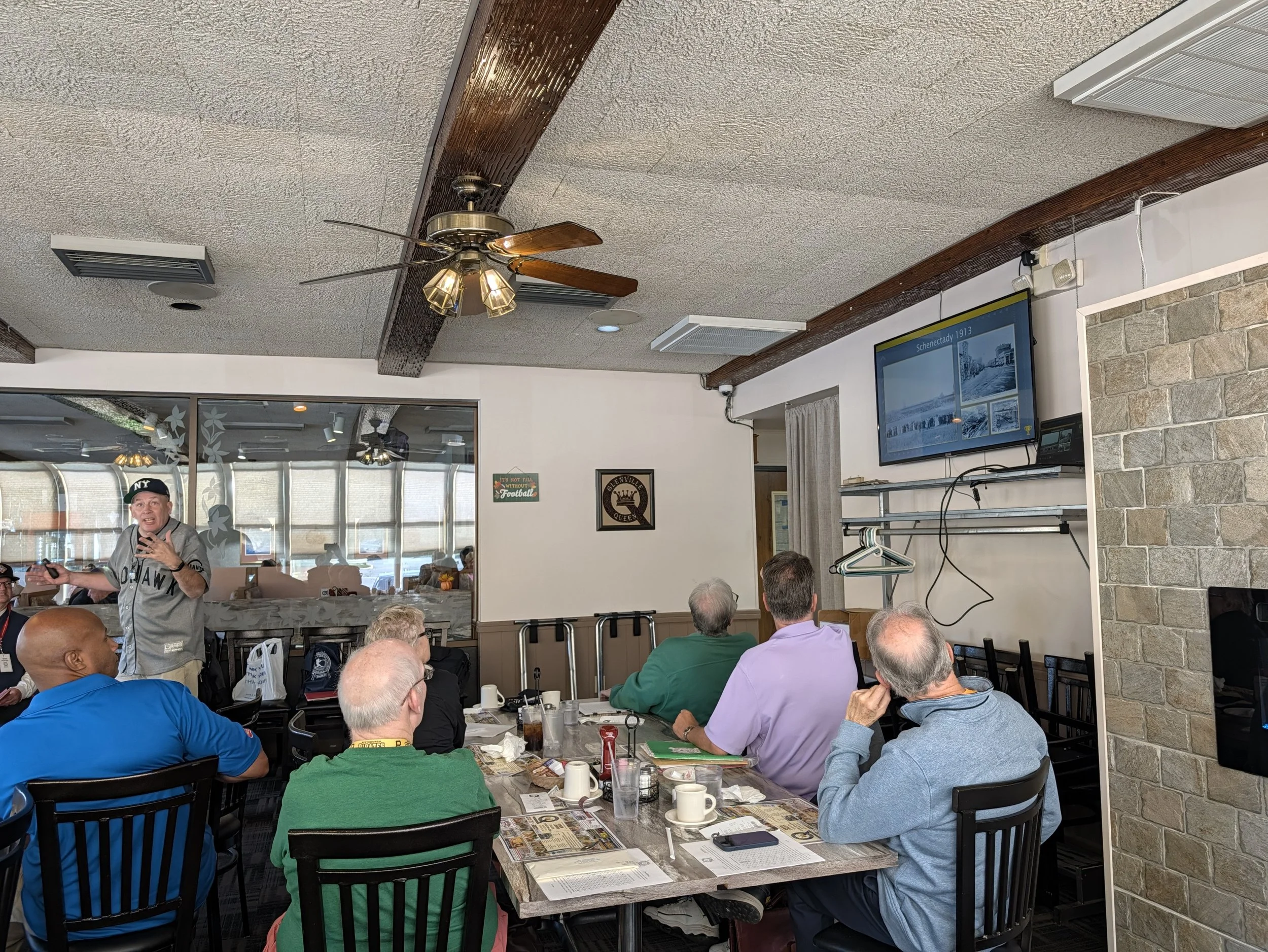
Sharing the 1913 Mohawk Giants
Loved talking with a group of Baseball enthusiasts from Schenectady
-
![]()
Locked in with the Old Timers
-
![]()
Thankful for the new Old Timers lid
-
![]()
Schenectady Old Timers Baseball Club
Thursday October 8, 2026
-
![]()
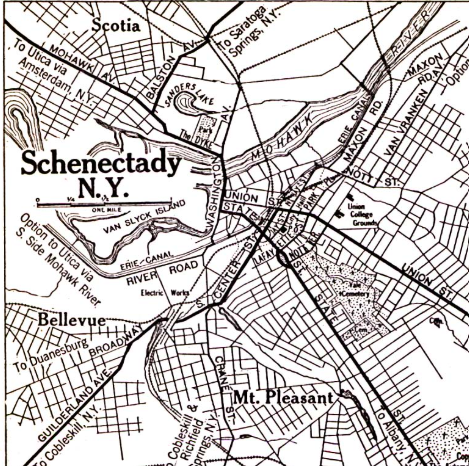
Introducing Island Park
Home to the Mohawk Giants in 1913
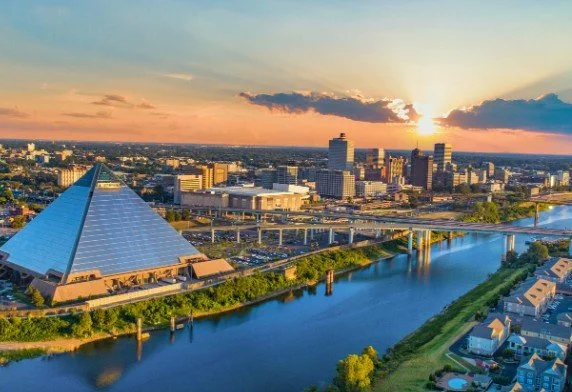
Memphis sports history
football - baseball - basketball
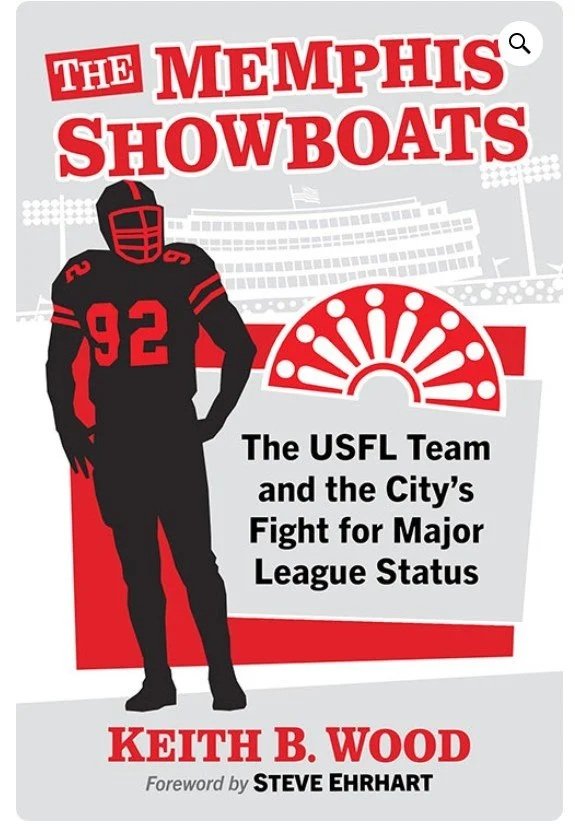
In 1983, Memphis landed a franchise in the upstart United States Football League after flirting with the World Football League in the 1970s. First owned by Logan Young and then local cotton magnate William Dunavant, the team attracted a charismatic coach, Pepper Rodgers, as well as future Hall of Famer Reggie White (University of Tennessee) and quarterback Walter Lewis (University of Alabama). Following a sub-par initial season, Dunavant lured USFL executive Steve Ehrhart to Memphis, where he built a roster with top-level talent that led to a deep run into the 1985 USFL playoffs. Doomed by a failed anti-trust lawsuit against the National Football League, the USFL collapsed and left Memphis outside the major leagues. This work provides the complete history of the Memphis Showboats, telling the story of the city's support for professional football.
$25
+ $5 S&H
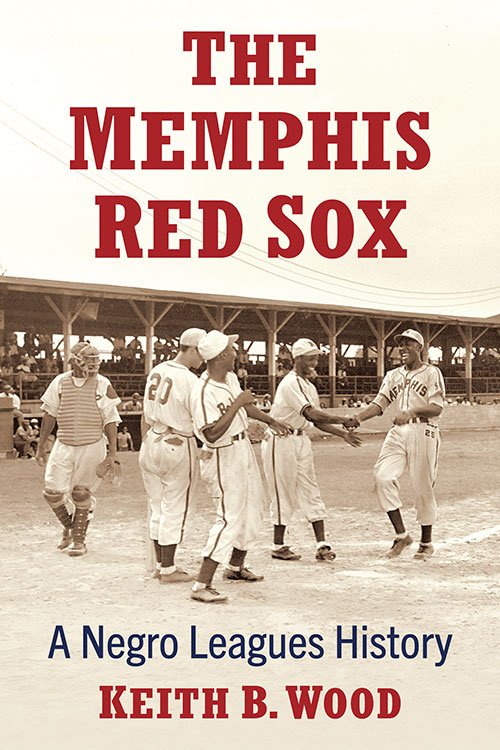
This book examines Memphis's symbolic meaning and value as a Negro leagues baseball city during Jim Crow. It locates the main intersections between black professional baseball and the South in the four decades that spanned the modern Negro leagues era and analyzes the racial dynamics in the city through the lens of the Memphis Red Sox, a black-owned and operated organization that stood as a pillar of success. Baseball also provides a way to examine the racial inequalities and issues that pervaded the city in those years. A black-owned stadium served as a forum for political assertion and an arena for real political struggle for blacks in Memphis.
$25
+ $5 S&H
Click below to order a book
Reduced
Price
$20
+ $5 S&H
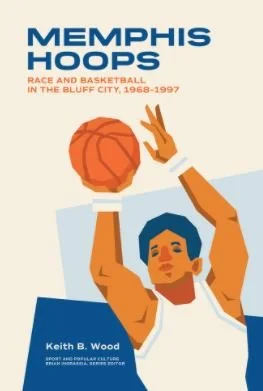
Memphis Hoops tells the story of basketball in Tennessee’s southwestern-most metropolis following the 1968 assassination of Martin Luther King Jr. Wood examines the city through the lens of the MSU basketball team and its star player-turned-coach Larry Finch. Finch, a Memphis native and the first highly recruited black player signed by Memphis State, helped the team make the 1973 NCAA championship game in his senior year. In an era when colleges in the south began to integrate their basketball programs, the city of Memphis embraced its flagship university’s shift toward including black players.
In this important examination of sports and civil rights history, Wood summons social memory from an all-too-recent past to present the untold—and unfinished—story of basketball in the Bluff City.
Inaugural
BlackBall Symposium
Kansas City, Missouri
-
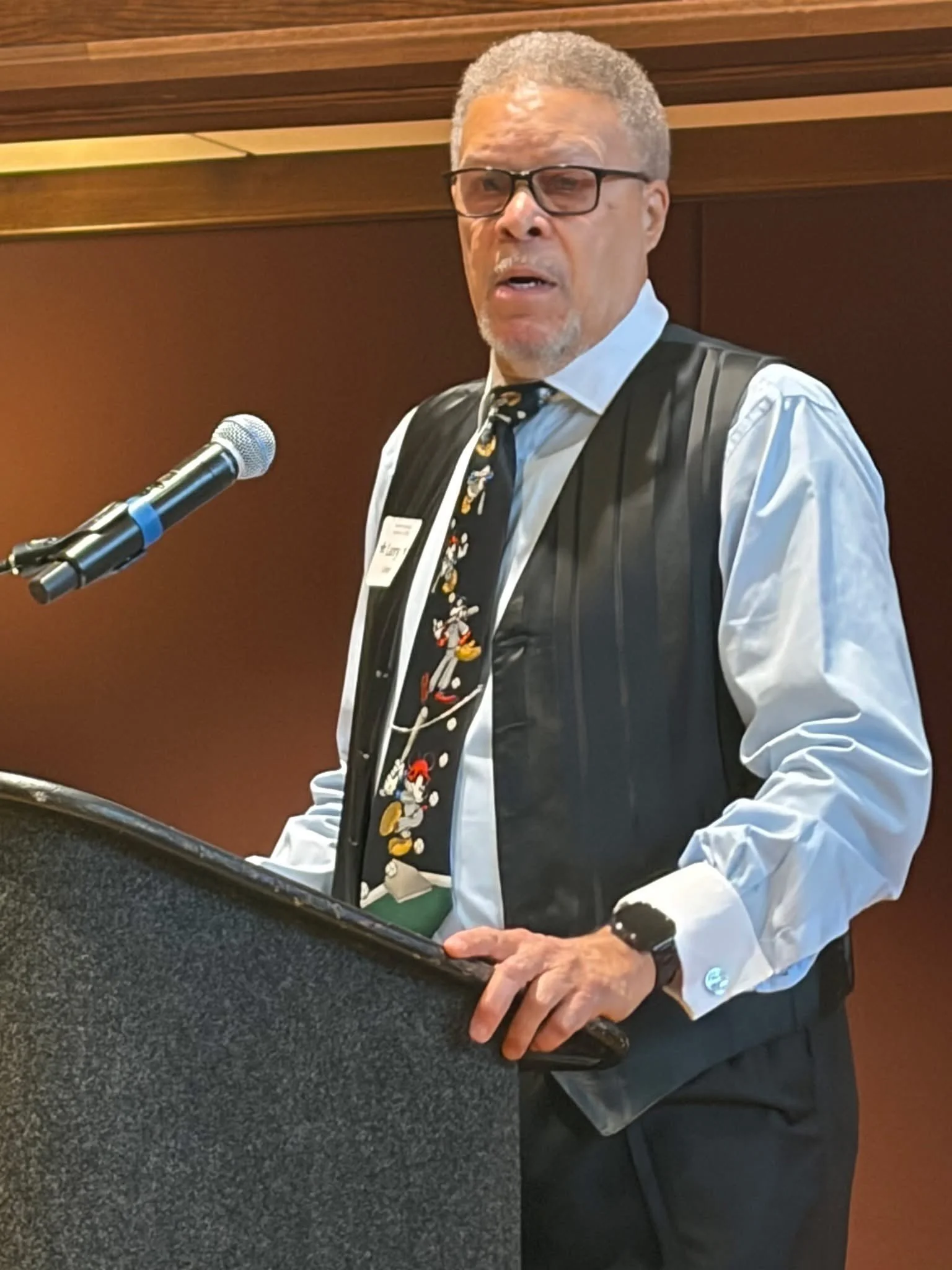
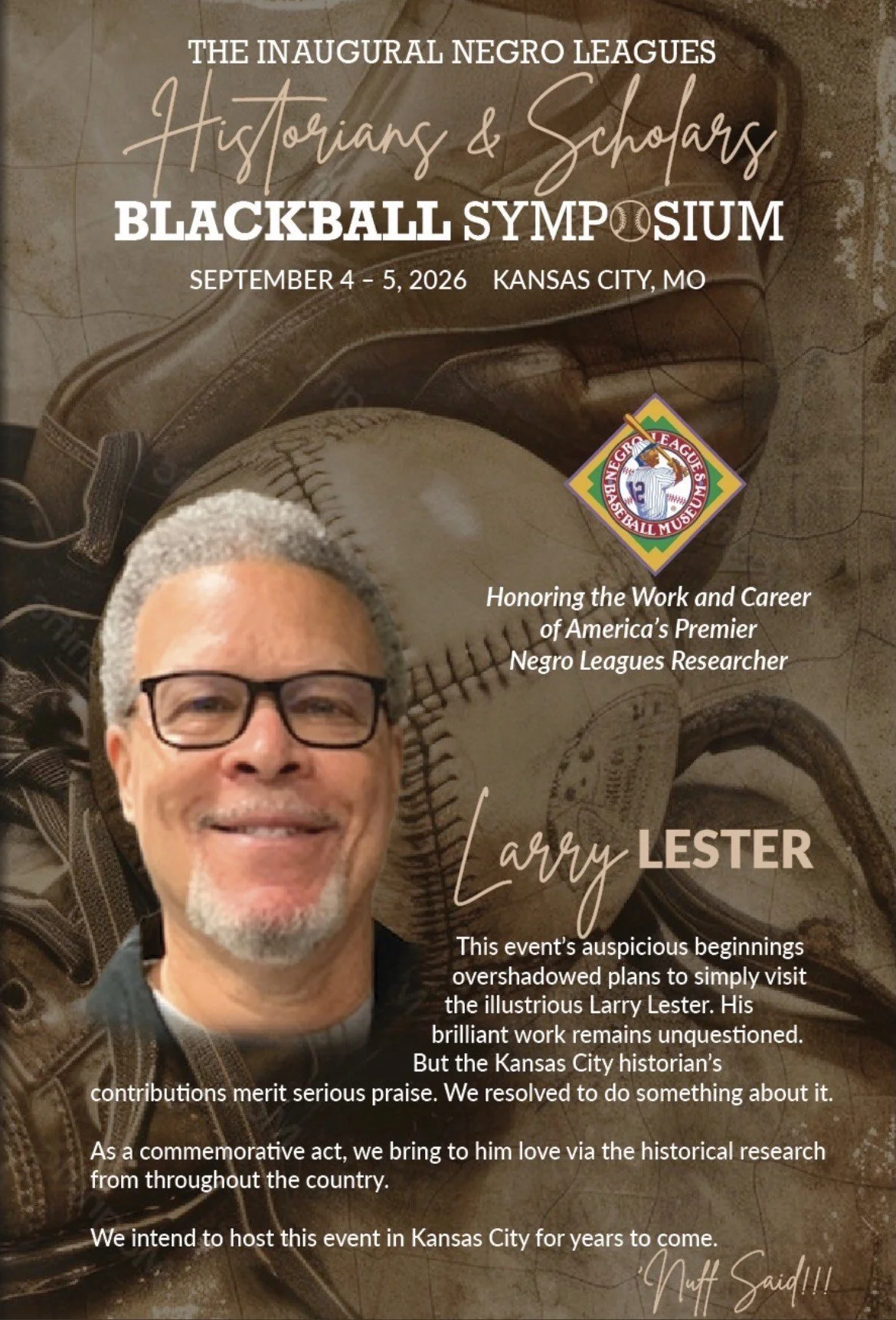
Larry Lester
Keynote address on the status of Blackball scholarship, its past, its present, and its future.
-
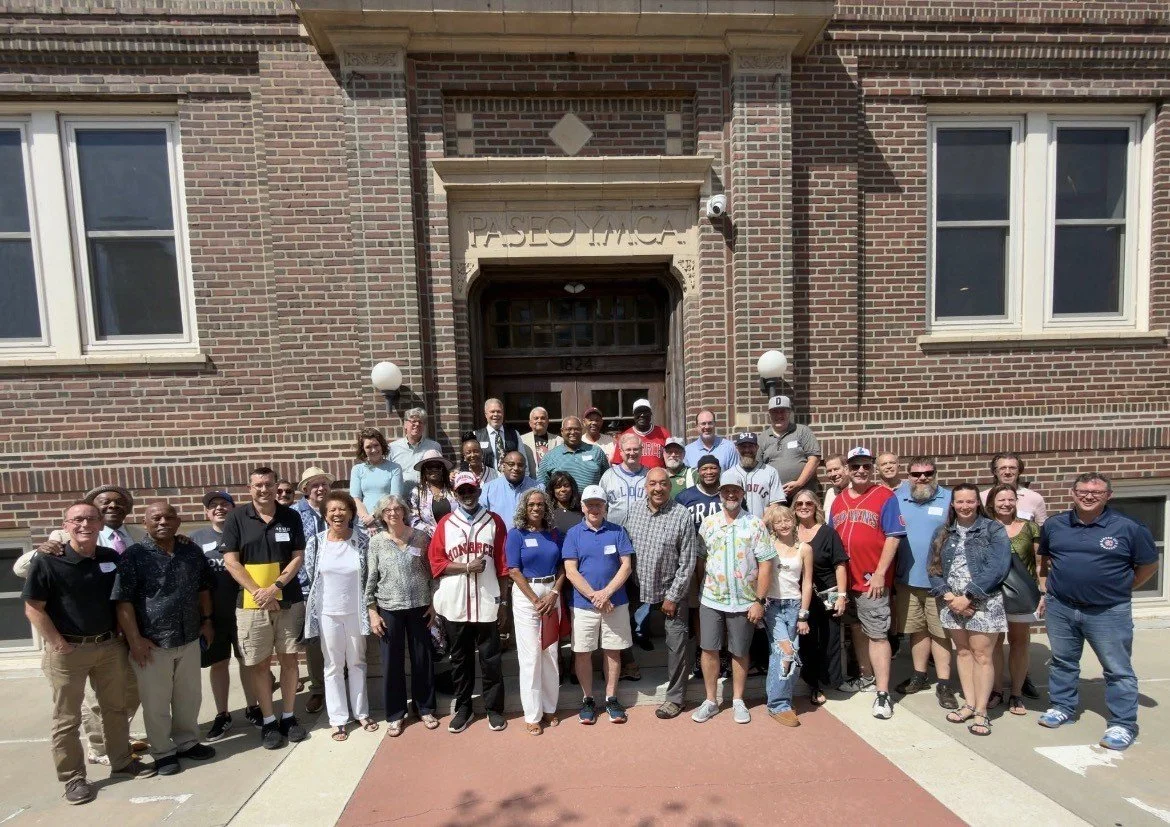
2026 Black Symposum Attendees
Picture taken on the front steps of the Paseo YMCA, where in 1920 Rube Foster gather Black independent baseball club owners to start the Negro National League.
-
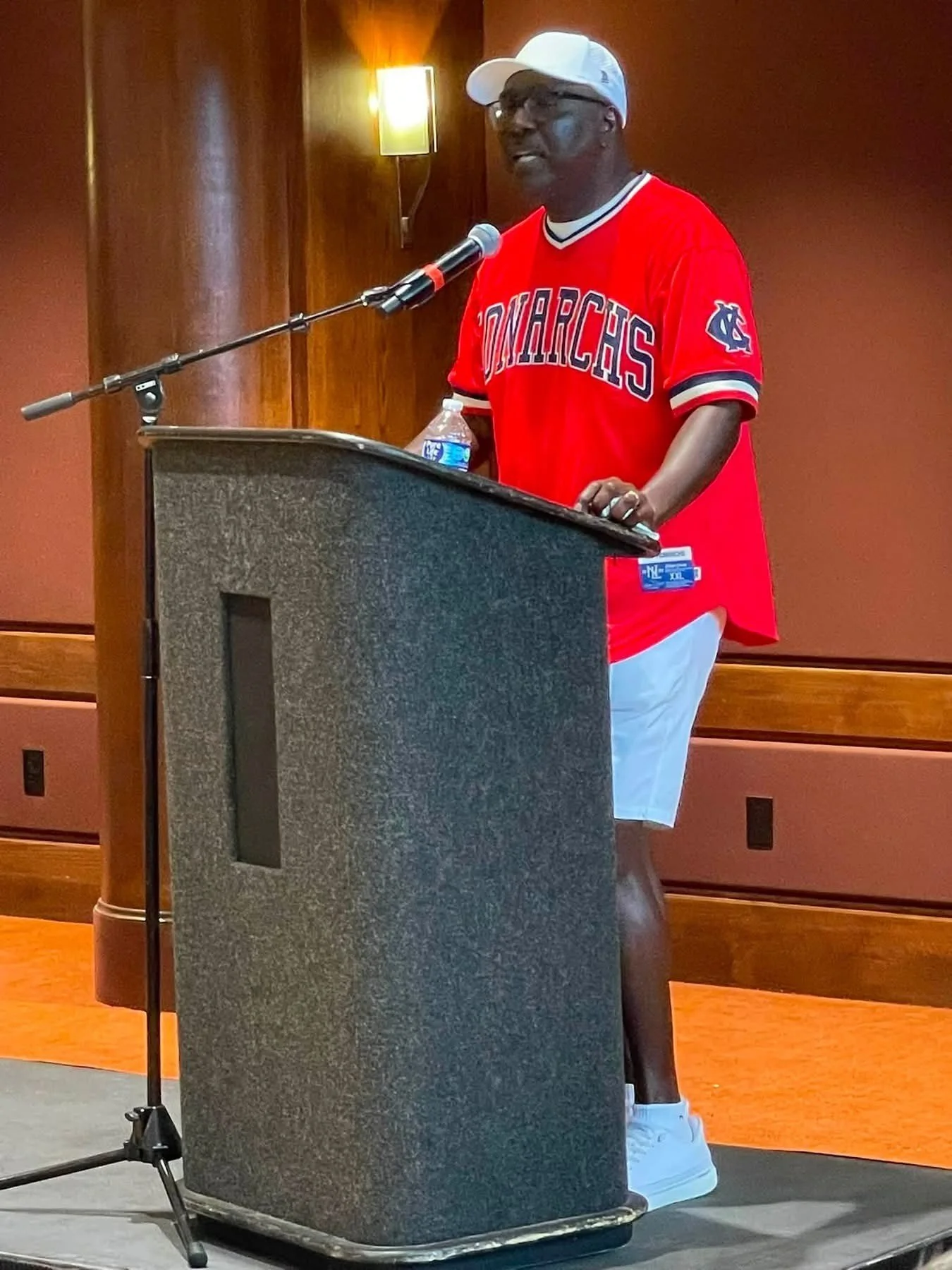
NLBM Pres. Bob Kendrick
Sharing the renovations to the Paseo YMCA and the NLBM’s plans for an archive on the campus of the Buck O’Neil Center. We sat only yards from where Rube Foster gathered in 1920 to start the NNL.
-
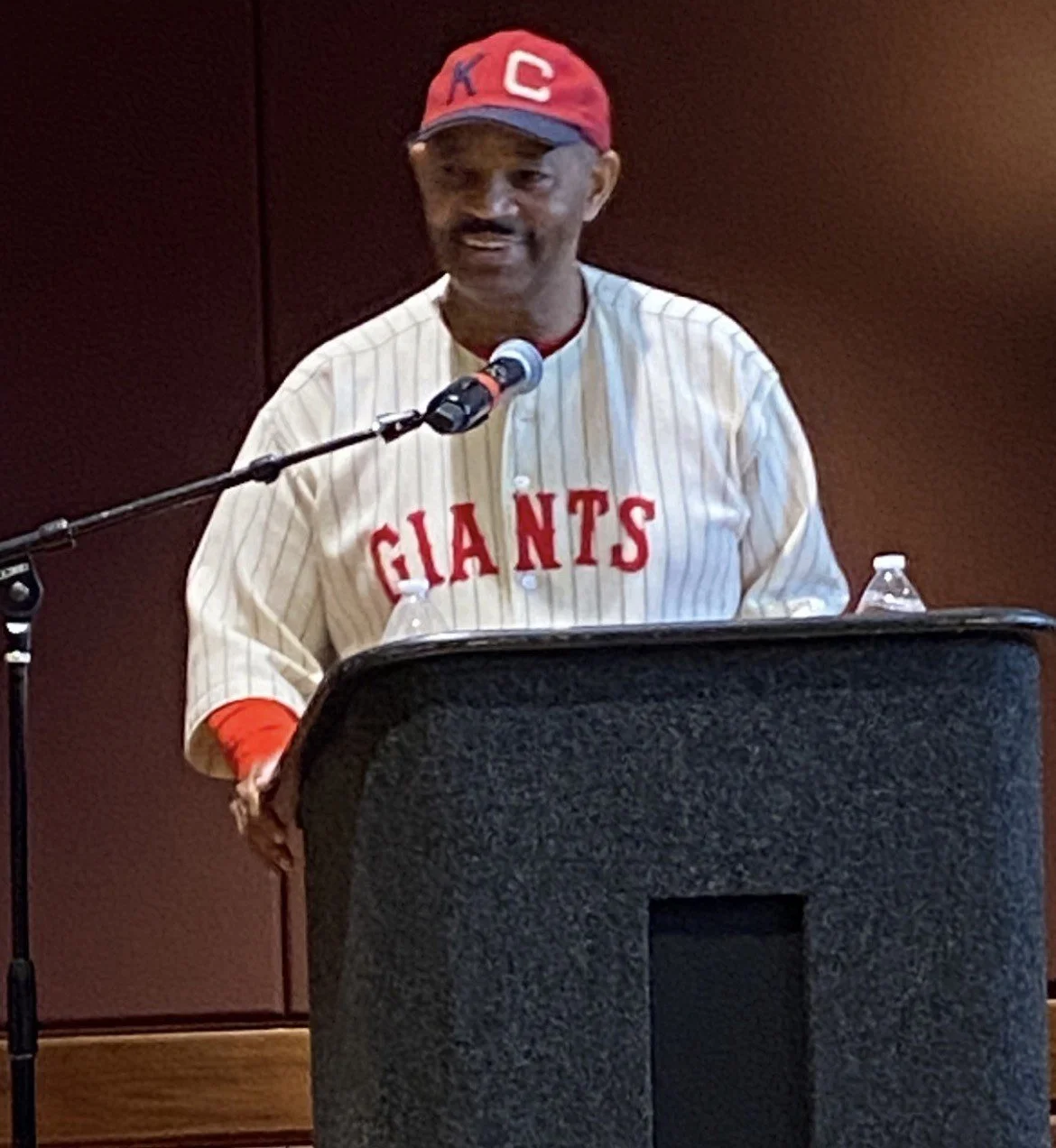
Phil Dixon
Noted Negro Leagues historian Phil S. Dixon presenting on the need to evaluate Blackball statistics on the entirety of statistics available.
-
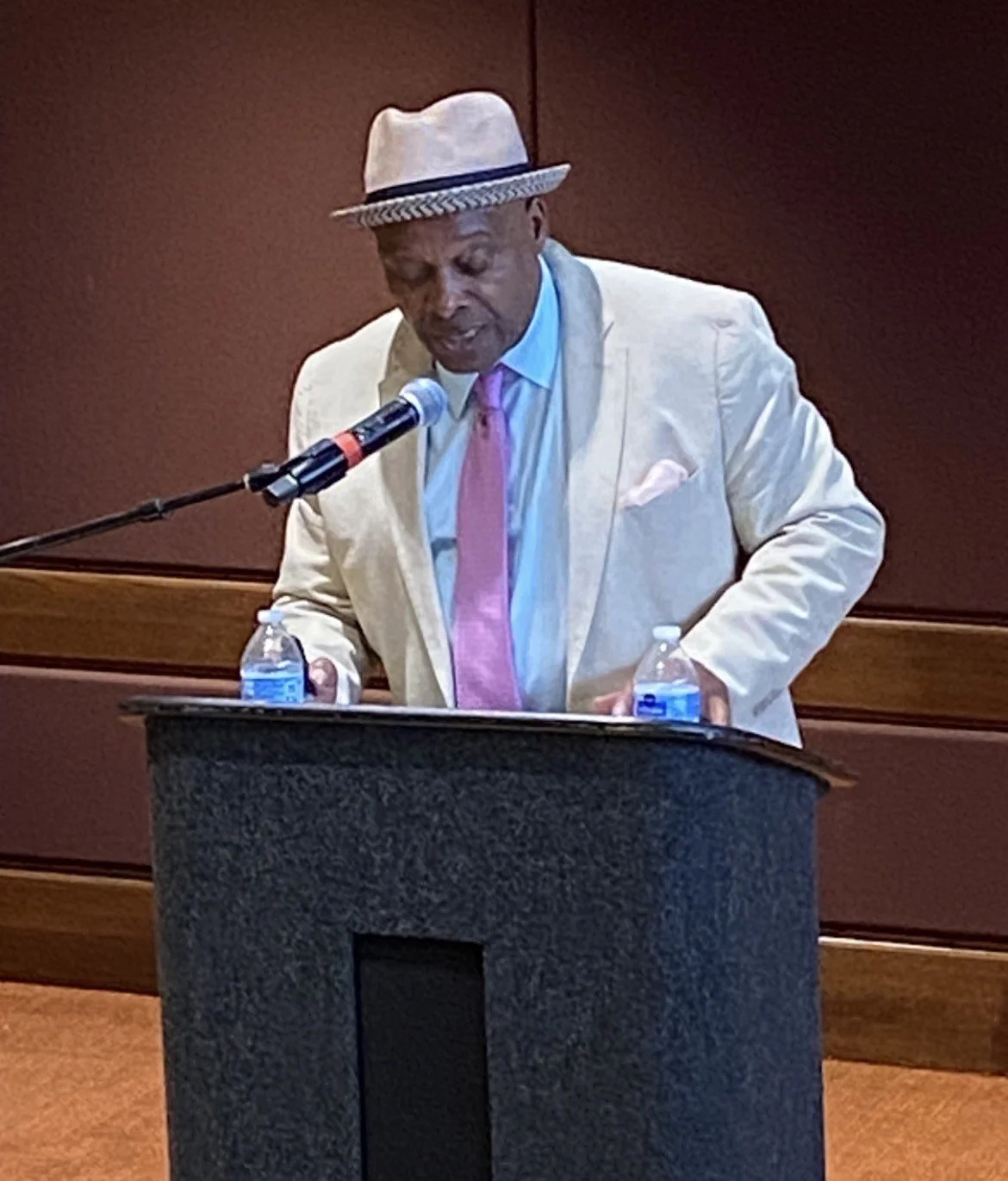
James Brunson
Doc Brunson shared his most recent work on the Dolly Varden Project, Blueswomen in Blackball.
-
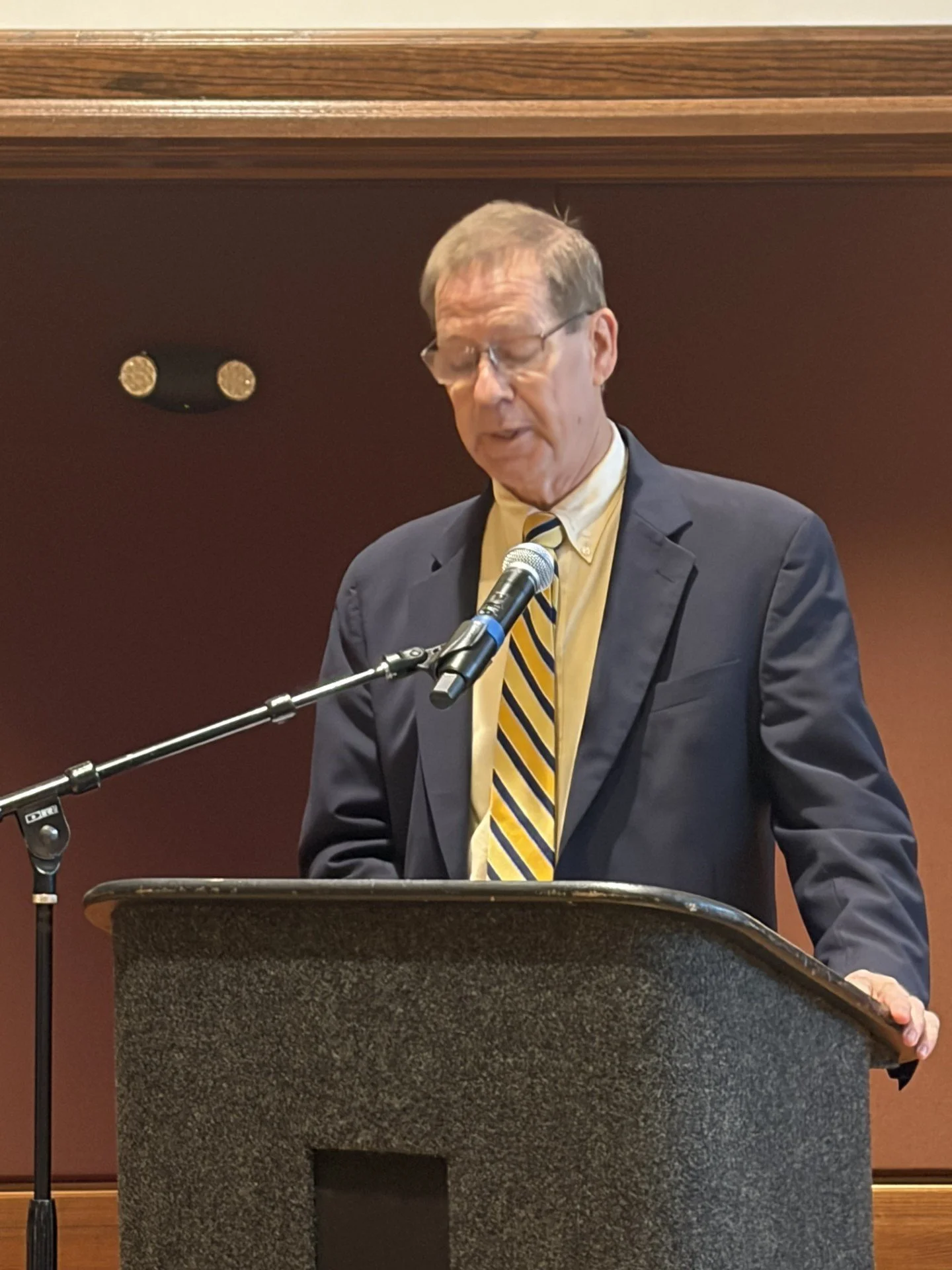
Jeremy Krock
Dr Krock shared his critical work with the Negro Leagues Grave Marker Project.
-
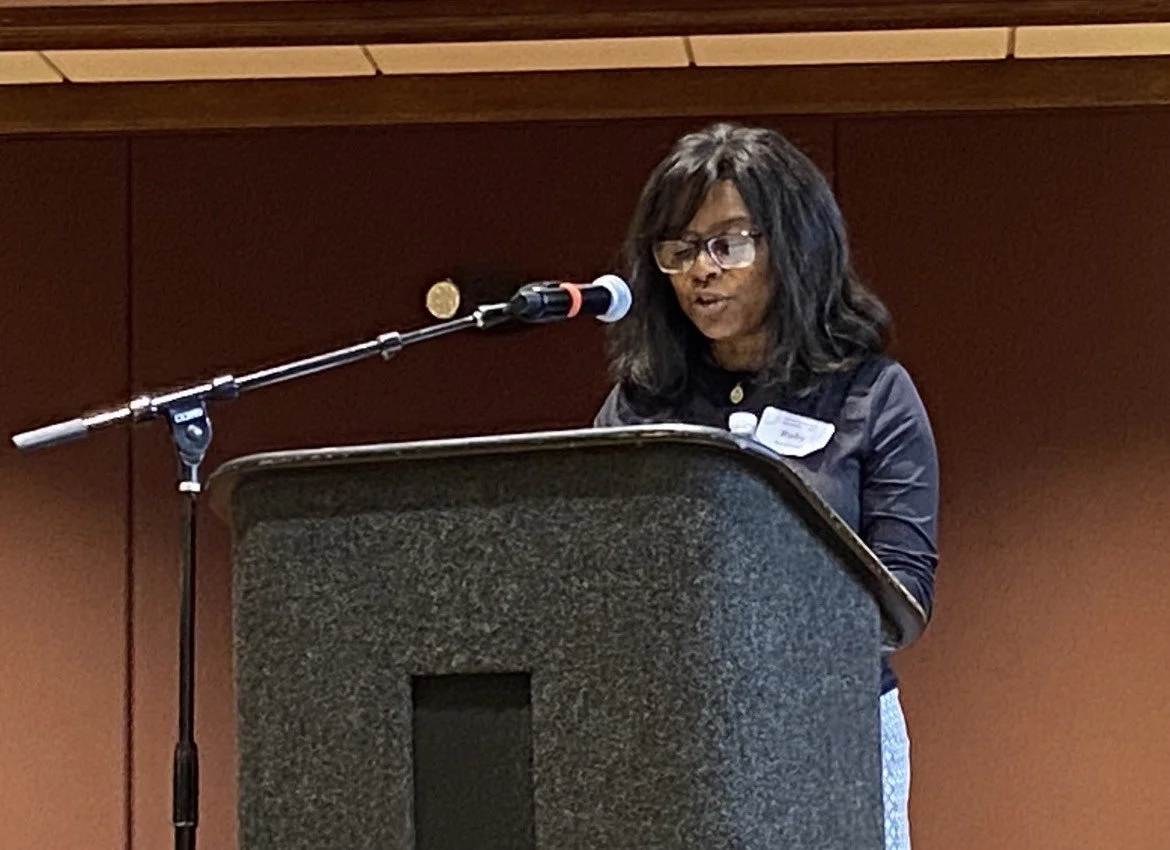
Ruby Berryman
Professor Berryman led the symposium through Stachel Paige’s career using the medium of theater and the classic arc of the hero’s journey.
-
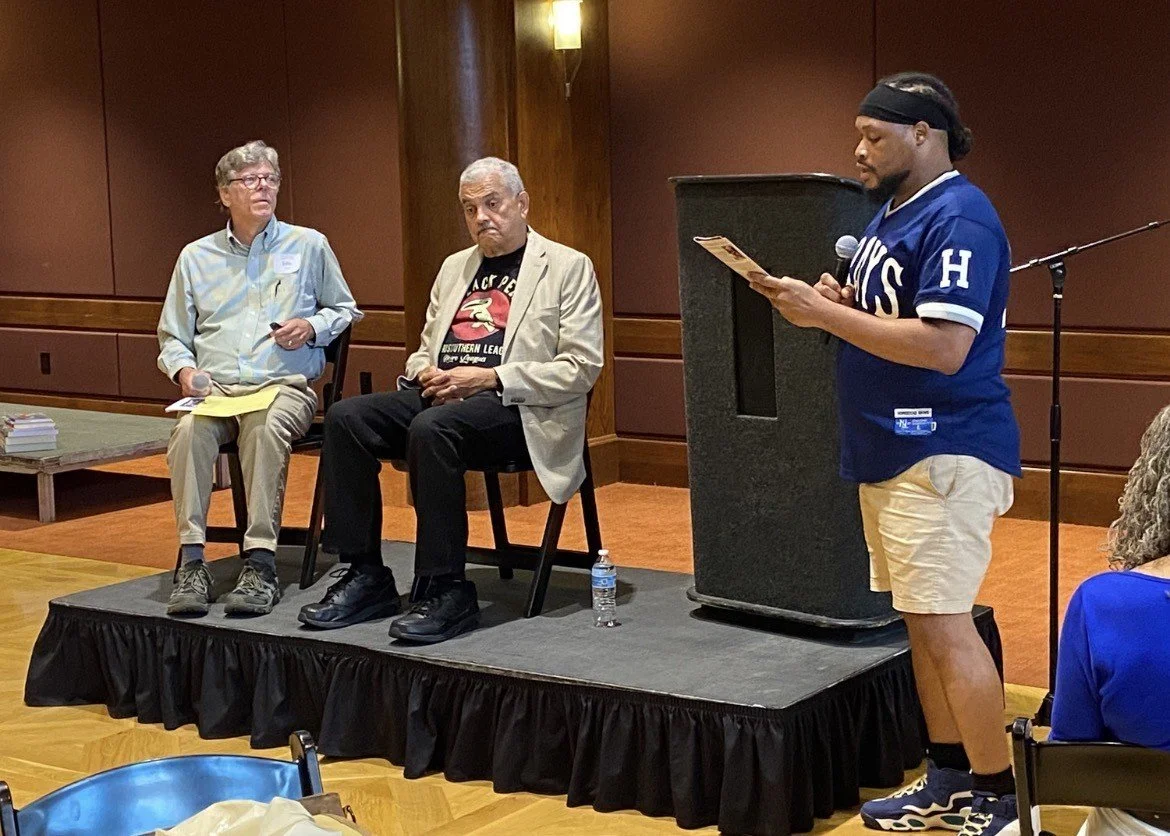
John Graf moderates Rodney Paige
This talk took us back first-hand to a time when Rodney grew up in segregated New Orleans, his father an accomplished hotel owner and the owner of the New Orleans Creoles. The depth and reality of this conversation changed everyone in the room.
-
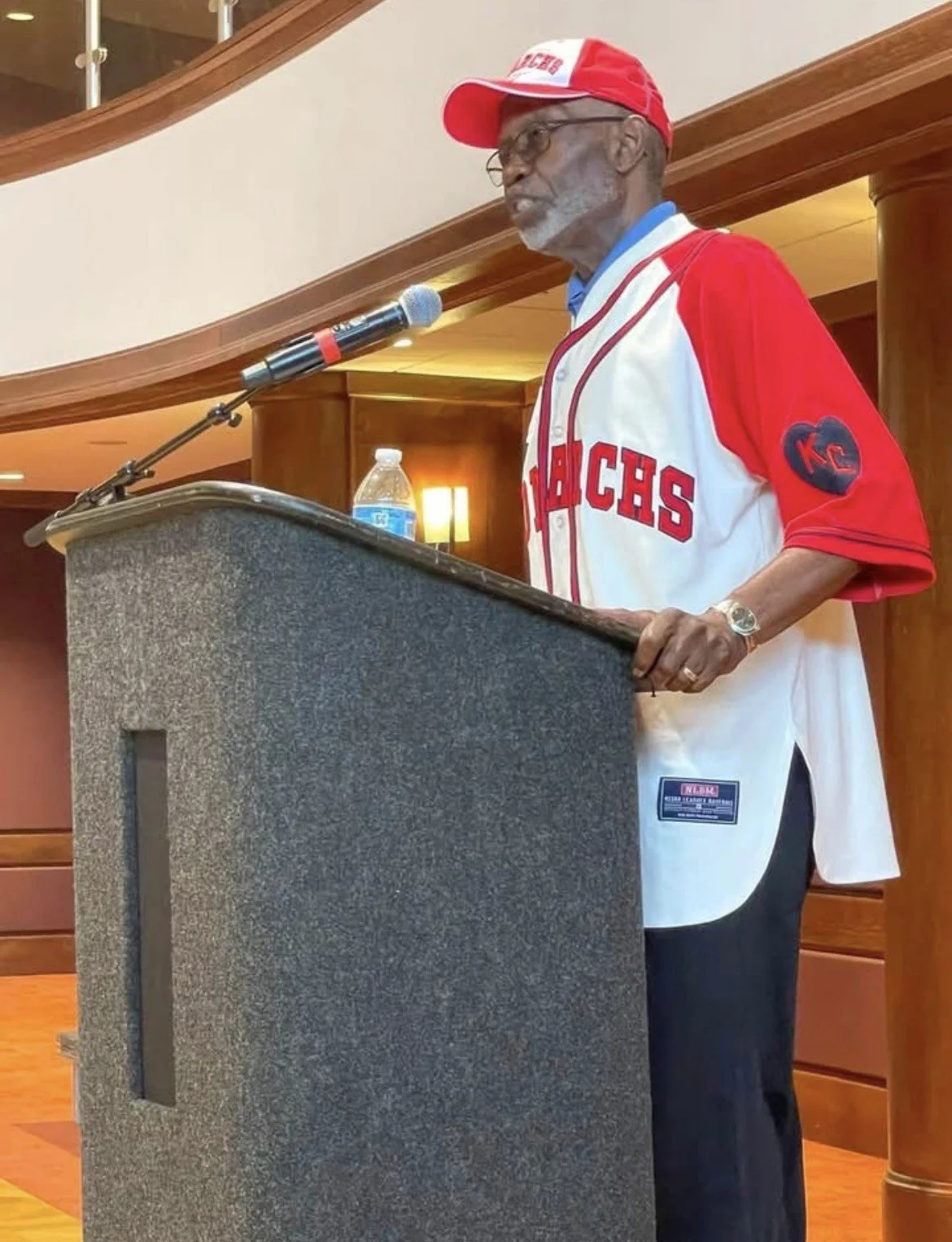
Sherman Jenkins
Jenkins shared his work around Ted Strong, a Blackballer who excelled on the diamond and on the hardwood.
-
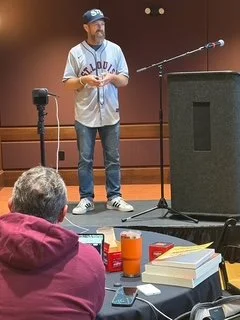
Matt Garvey
Presenting on the St. Louis Stars. Book forthcoming from McFarland Publishing.
-
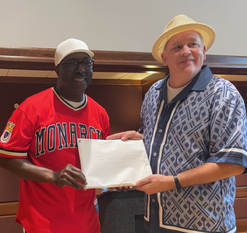
Bob Kendrick & Dr. Wood
Presenting the scholarship from the 2026 Blackball Symposium to the president of the NLBM. A great way to start the archival collection at the Buck O’Neil Center on the Paseo in Kansas City.
-
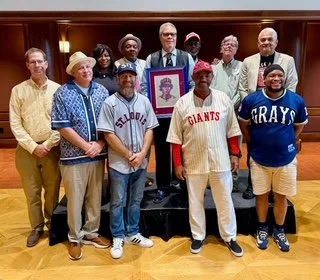
2026 Presenters Blackball Symposium
Front Row: Jeremy Krock, Keith B. Wood, Matt Garvey, Phil Dixon, Paul Julion
Back Row: Ruby Berryman, James Brunson, Larry Lester, Sherman Jenkins, John Graf, Rodney Paige
Doc Presenting on
the Chappie Johnson All-Stars
Inaugural Blackball Symposium ~ Kansas City
September 5, 2026 | NLBM Kansas City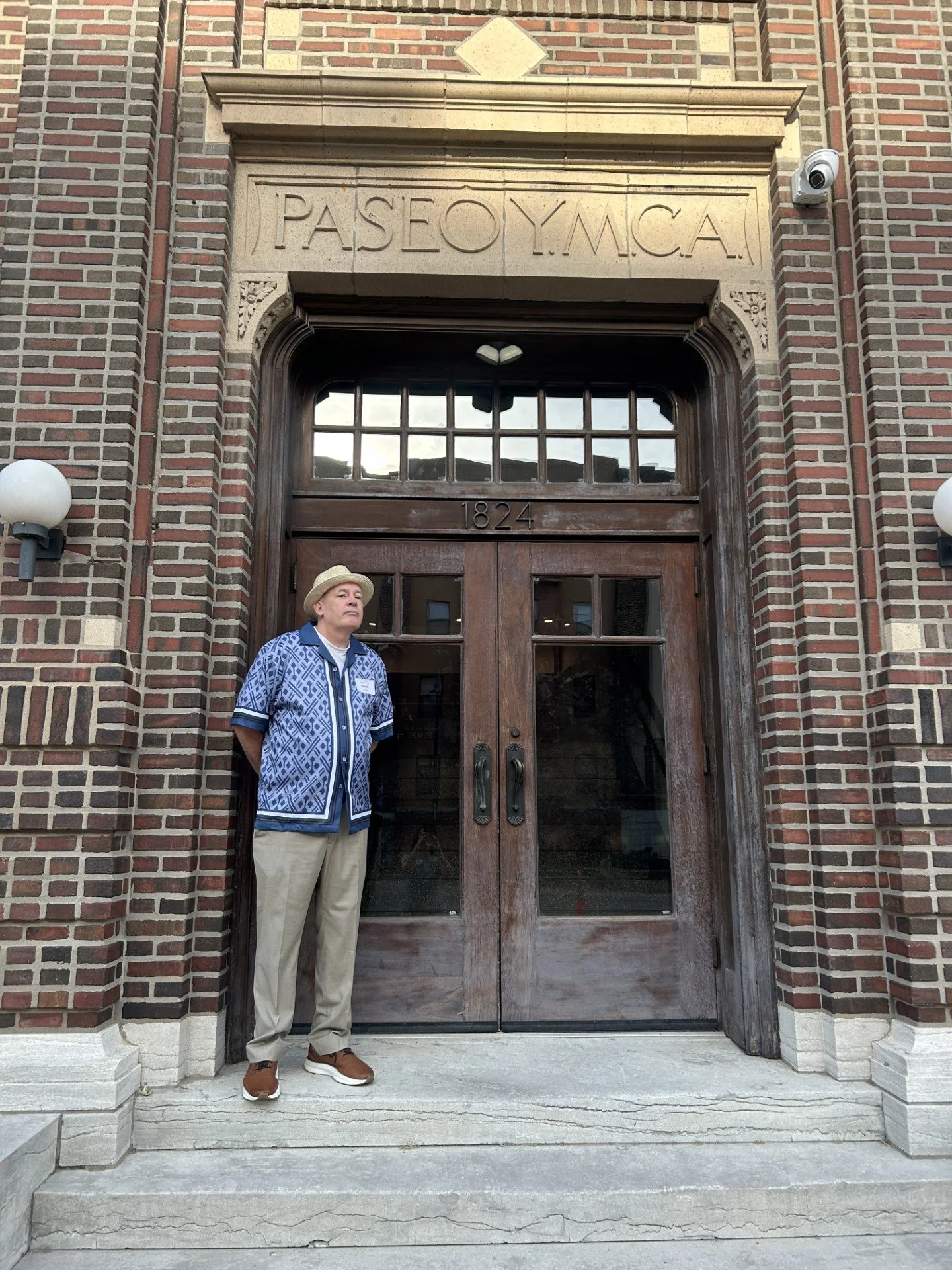
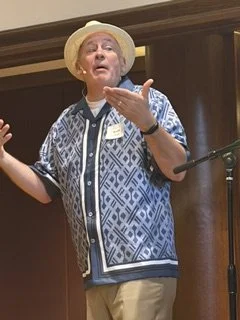
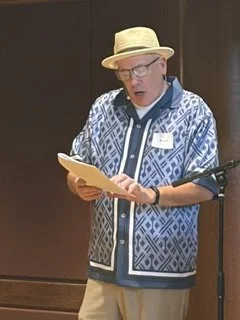
gathering on speakers on front steps of the paseo ymca
Larry Lester Blackball Symposium
2026 Kansas City Negro Leagues Baseball Museum
Buck O’Neil Center on the Paseo
Video Courtesy of Phil S. Dixon
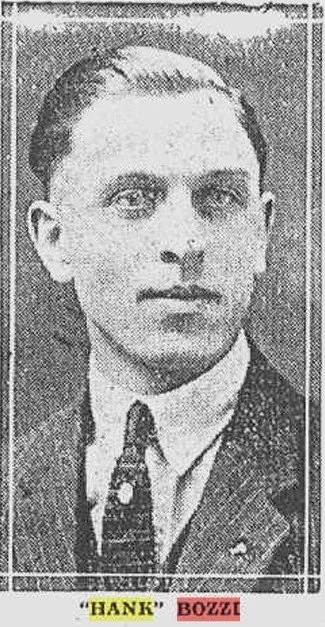
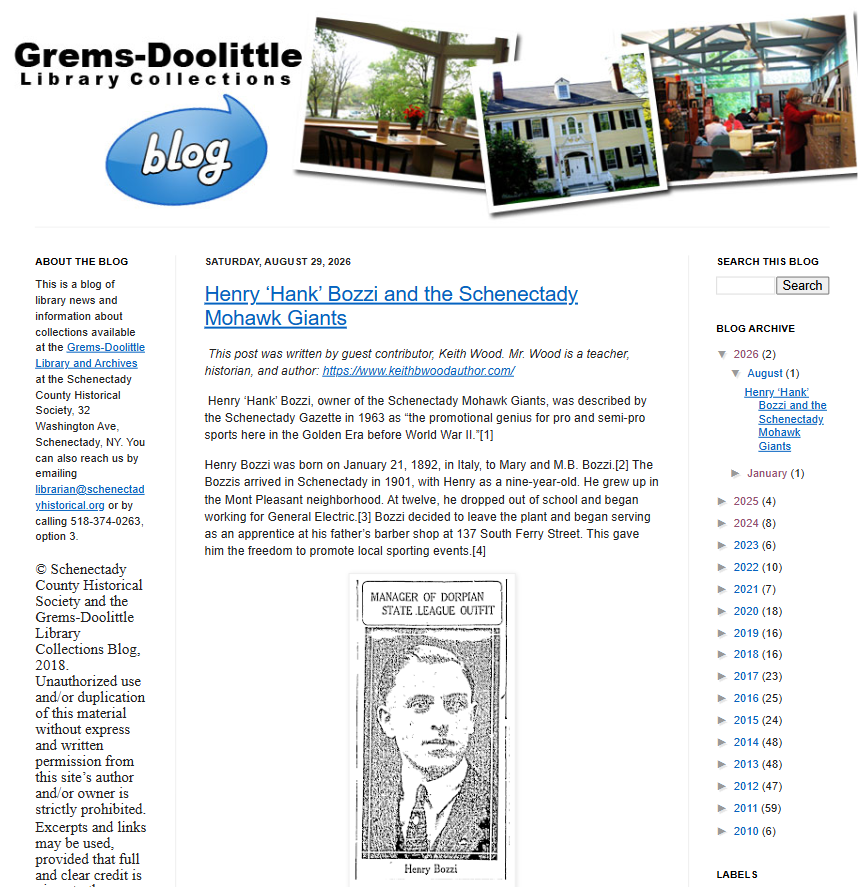
Hank Bozzi - Blog
Schenectady County Historical Society Blog Page
Great piece on the promoter and owner of the Schenectady Mohawk Giants. Love giving back to the city that made me who I am today/. Check it out, a kid from Mont Pleasant writing about a prominent Italian-American from the Mont Pleasant neighborhood. He changed the sporting communities in the Capital District, if not the entire Upstate New York region.

How Bout
‘Dem Boats!
Alan duncan FG
&
Will Cokeley INT of Jim Kelly
Mother’s Day 1985
vs Houston Gamblers
Book News
-
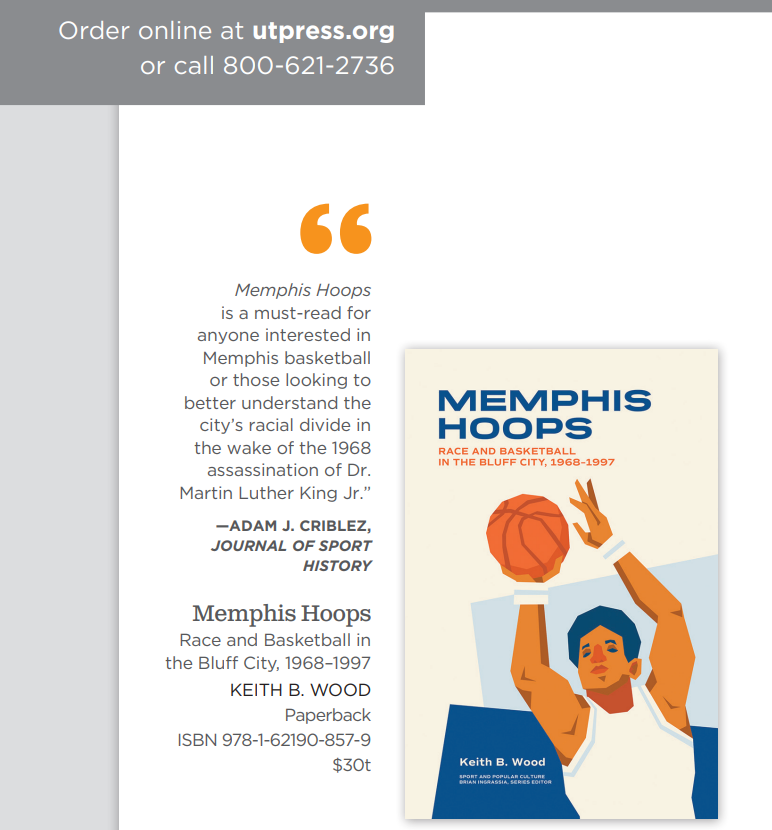
![Book cover titled "Memphis Hoops" with an illustration of a basketball player holding a basketball and making a hand gesture. Subtitle: "Race and Basketball in the Bluff City, 1968-1997" by Keith B. Wood.]()
Memphis Hoops
If you grew up watching Memphis Tigers basketball, then this is the book for you. Follow Larry Finch from his days at Melrose HS to his time as head coach of the Tigers. From Finch to John Gunn to Keith Lee to Penny Hardaway. They are all in there. Pick up a copy at Novel, Oxbeau, or message Doc Wood for an autographed copy
-
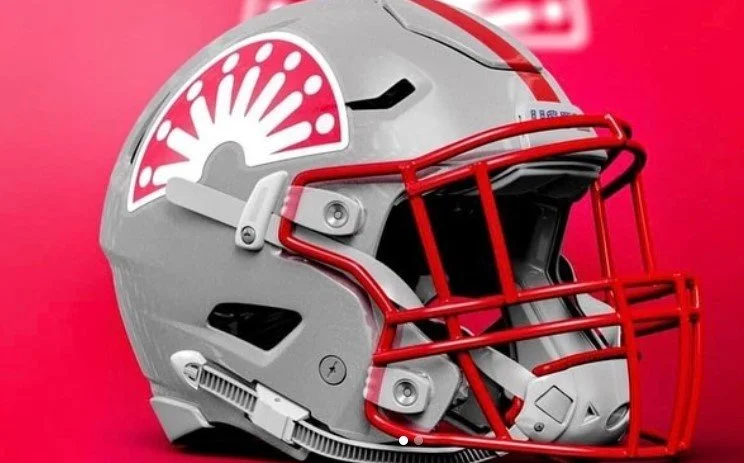
![American football helmet with red faceguard and logo on side, against a red background.]()
The Memphis Showboats: The USFL Team & the City's Fight for Major League Status
NOW AVAILABLE - Head over to Oxbeau, Novel Books, or DM Doc to get your signed copy!
How ‘Bout Dem Boats! If you were here in Memphis in the 80s and you love football, this is the book for you!
For years, Memphis has chased an NFL franchise. In the 1970s, John Bassett brought the WFL to Memphis. Then, in 1983, Logan Young acquired an expansion franchise in David Dixon’s USFL. William Dunavn purchased the team from Logan, as it became one of the most successful clubs in the short-lived USFL. Reggie White, Mike Lewis, Derrick Crawford, and a city crazed by football.
-
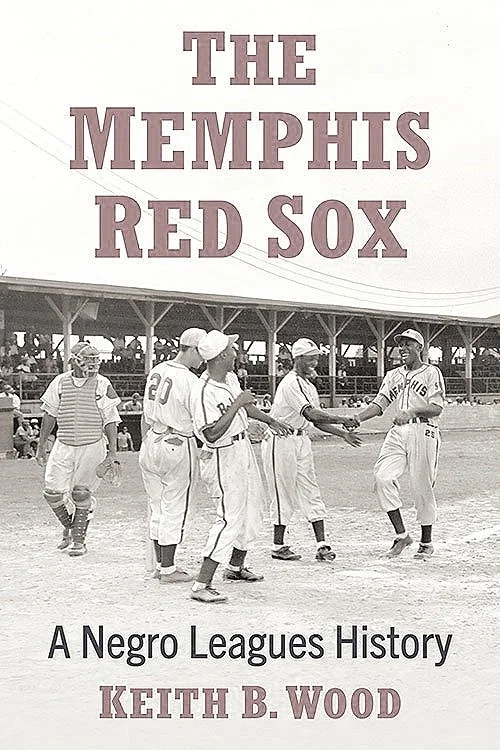
![Black and white photo of young African American baseball players on a field, with some shaking hands and others standing nearby, under a covered bleachers.]()
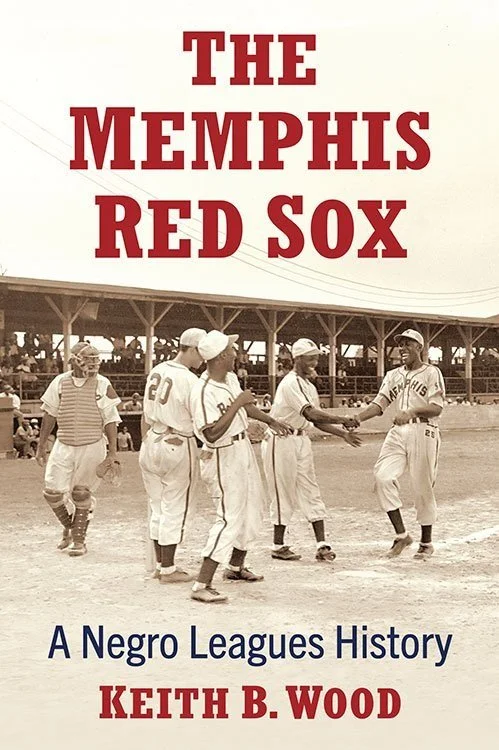
The Memphis Red Sox: A Negro Leagues History
Award Winning Work on Memphis’ Hometown Negro Leagues team.
John Coates Next Generation Award - Jerry Malloy Negro Leagues Conference
Harry & Katrina Hazzard-Donald Award for Outstanding Work in Af-Am Culture - Honorable Mention - Popular Culture Association
The Memphis Red Sox is not constructed as a fundamental historical narrative. Instead, it takes you on a nine-inning journey to experience what it means to be a Memphis Red Sox. The Memphis Red Sox remained one of the most stable franchises in Negro leagues' history. Black ownership of the team and stadium made the franchise almost an anomaly in black baseball.
-
![]()
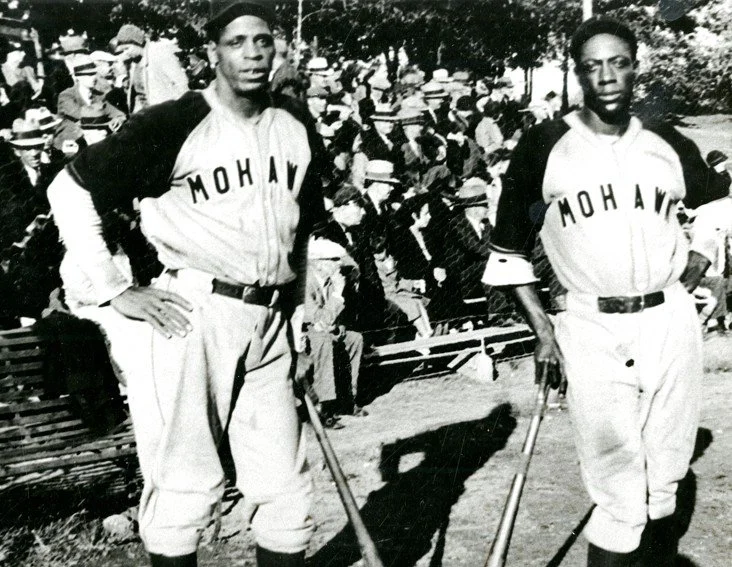
The Schenectady Mohawk Giants
The Schenectady Mohawk Giants stood as a symbol of Black professional baseball success in Upstate New York in the early twentieth century. Its emergence offers insight into the history of the city's Black community and its relationship with the broader sporting community. Schenectady, a moderately sized industrial city, provided baseball with a team that challenged the status quo.
Current project. Manuscript moving towards publication process.
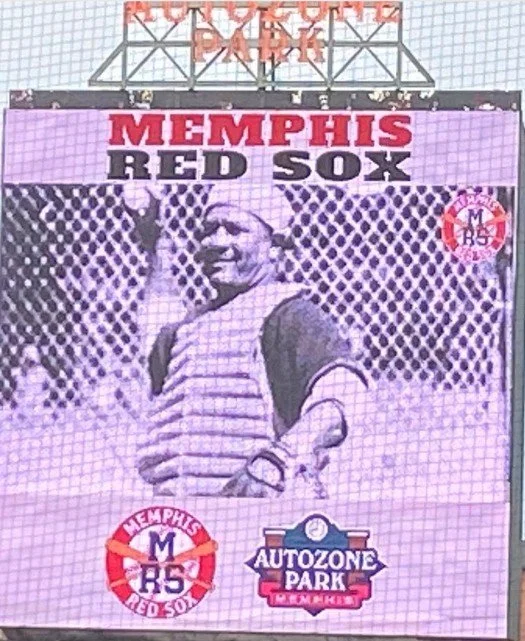
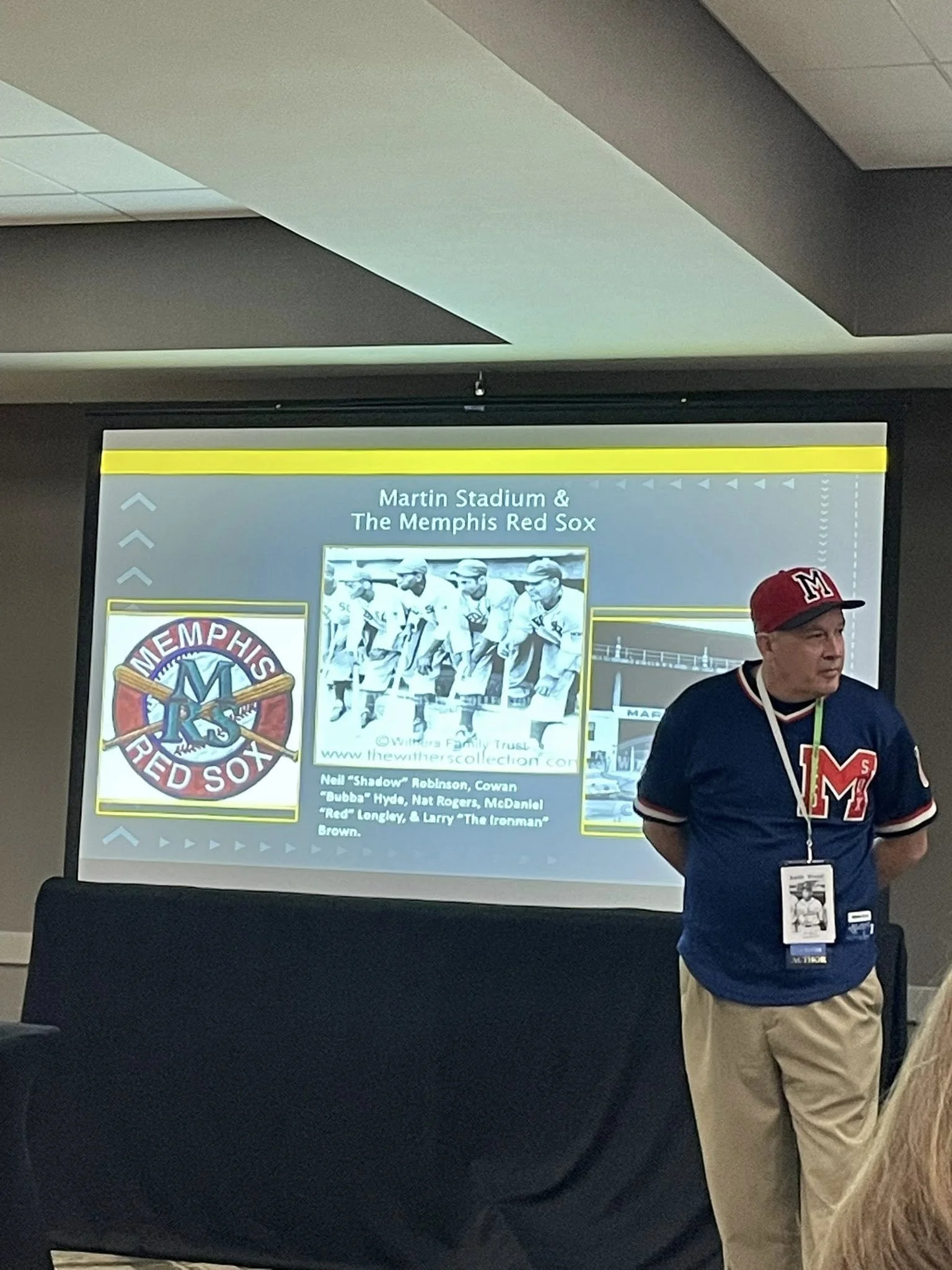
Malloy in Memphis 2026
-
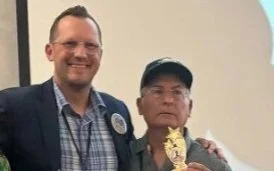
Alex Painter & Thomas Van Hynning
Presented on Bob “The Rope” Boyd
-
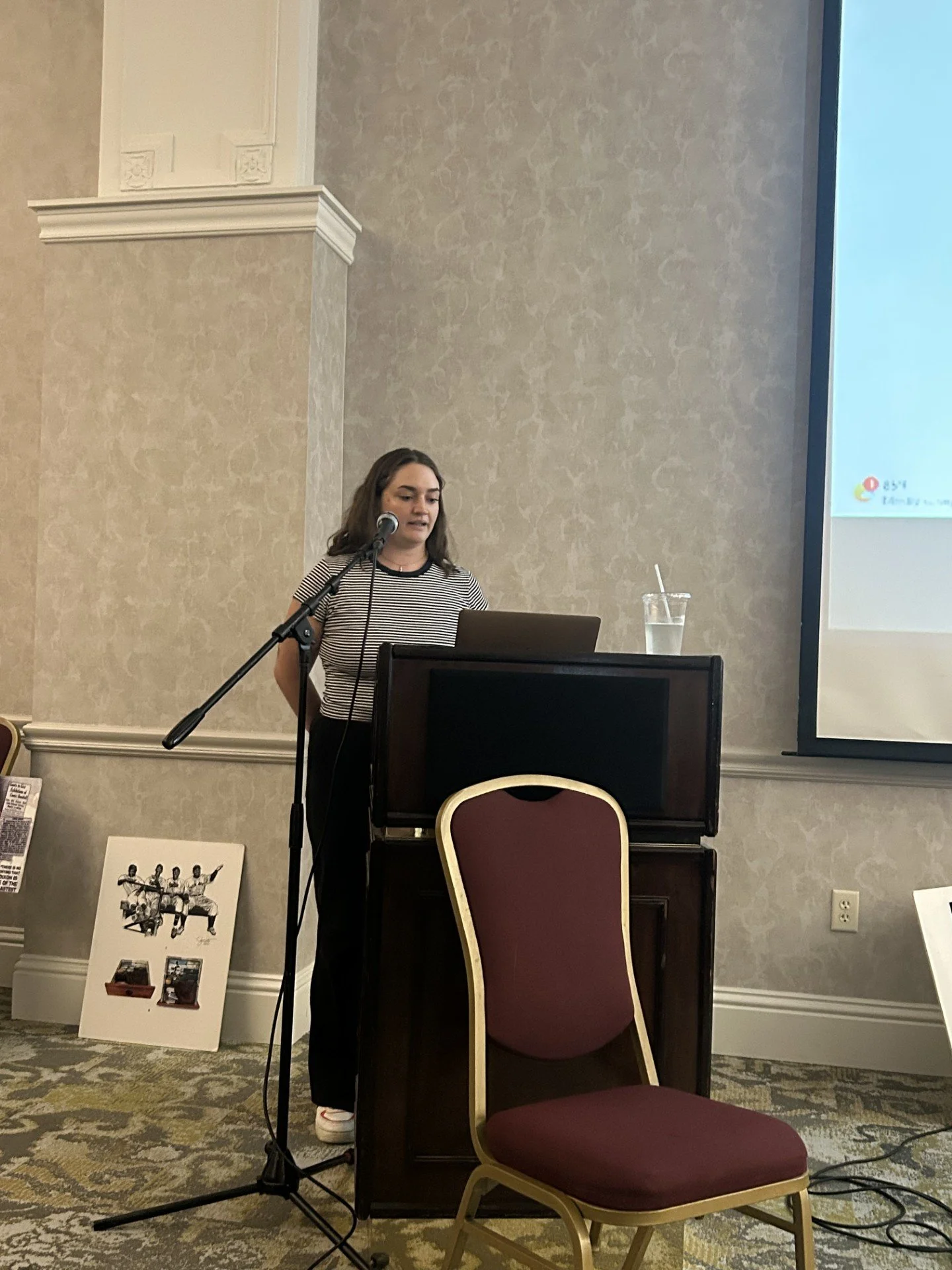
Julia Bucci
Presenting on ”The Cultural Importance of the Negro Leagues”
-
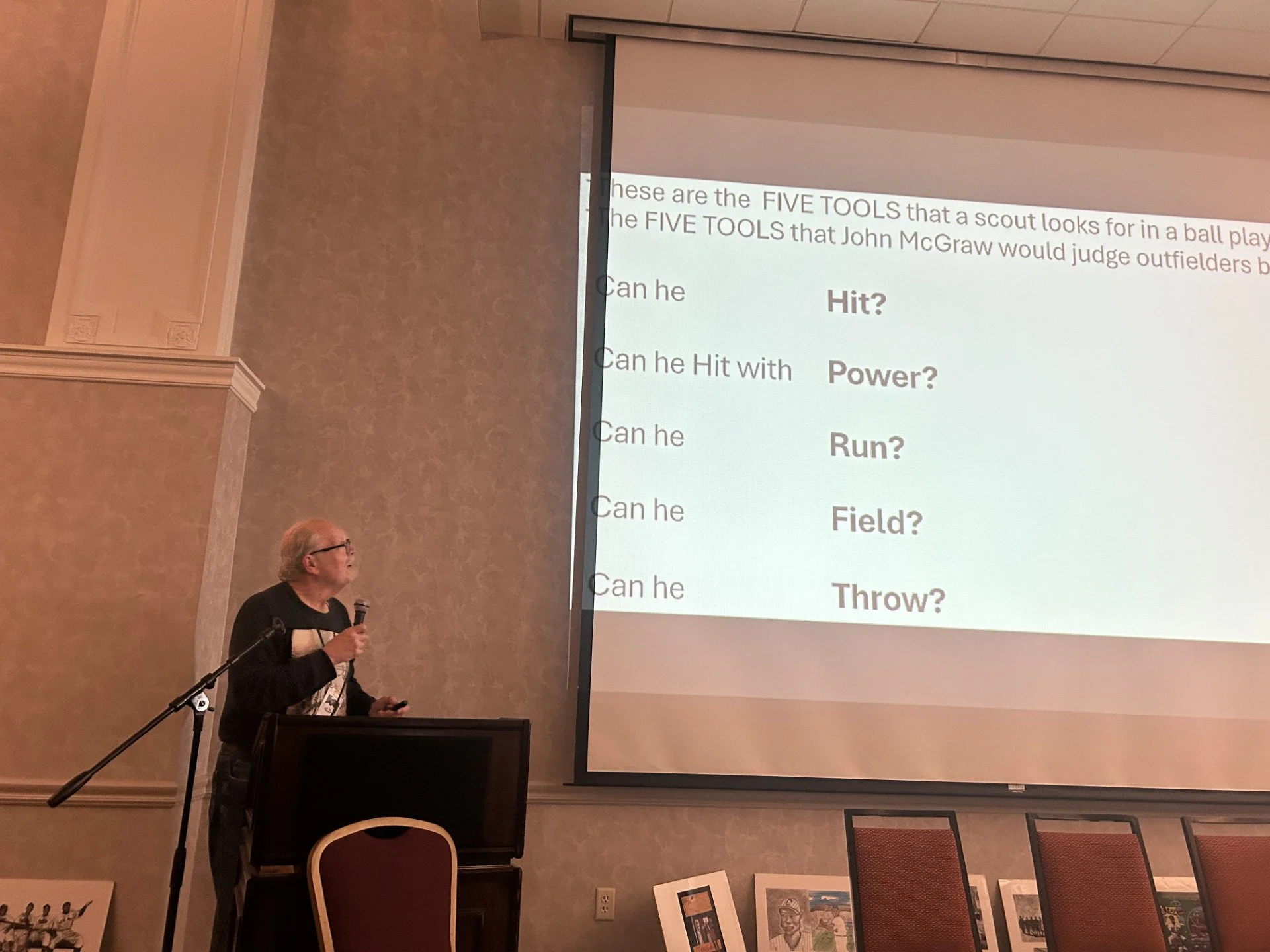
Ted Knorr
Presenting on Rap Dixon’s Tour of Japan
-
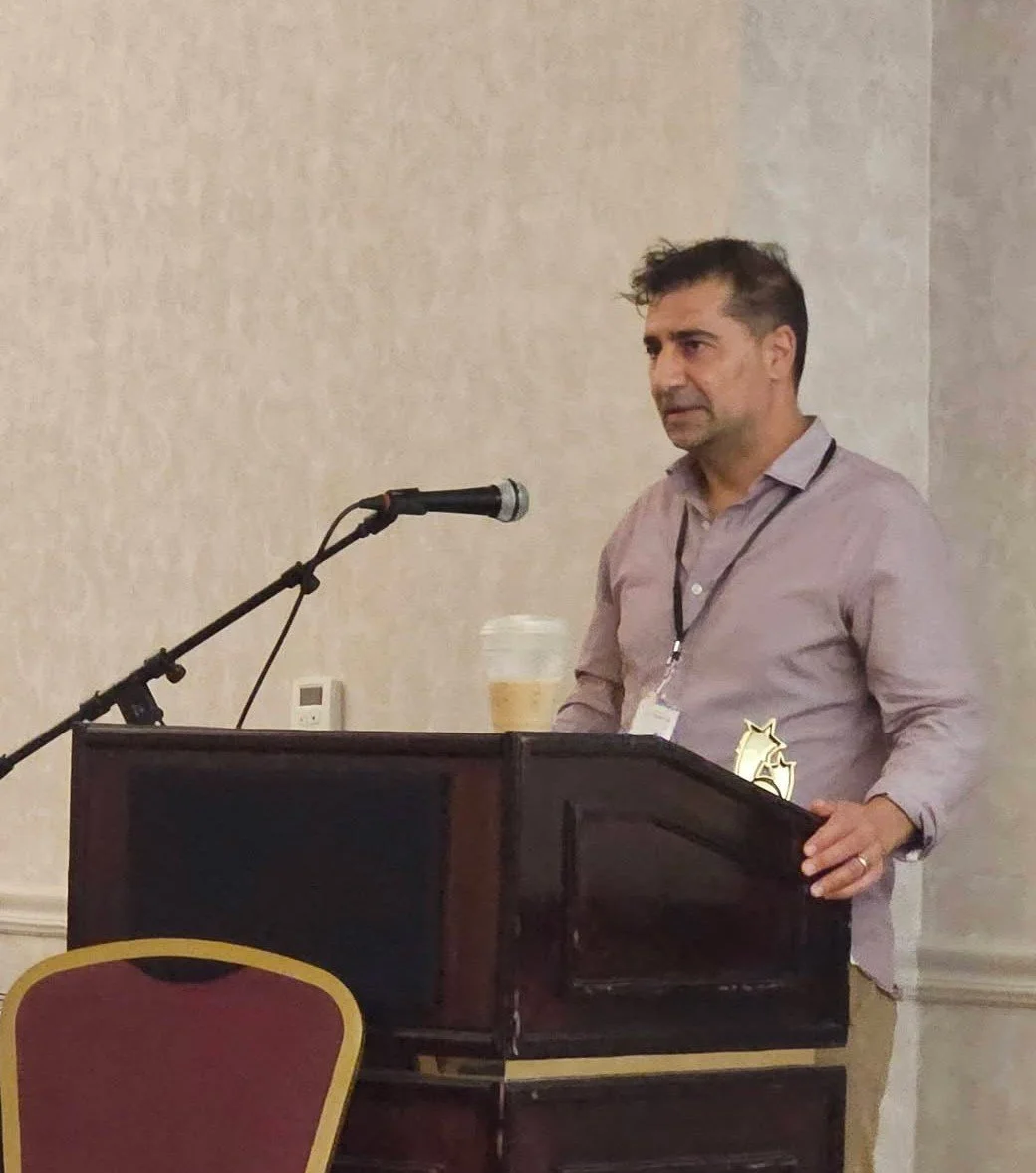
Aram Goudsouzin
Presenting on “Something out of a book - Satchel Paige and the 1960s”
-
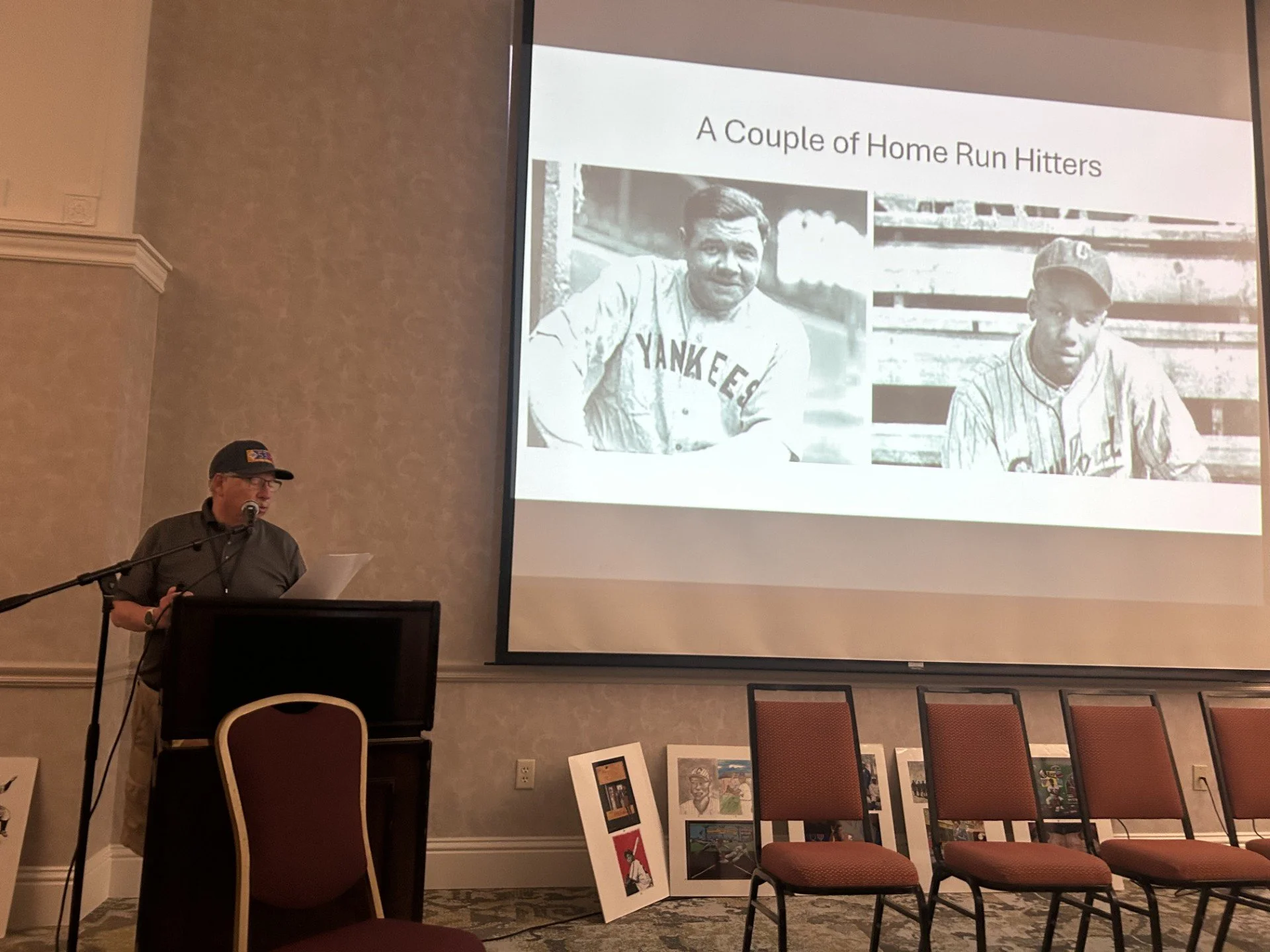
Alen Cohen
Presenting on “The Great HR Project”
-
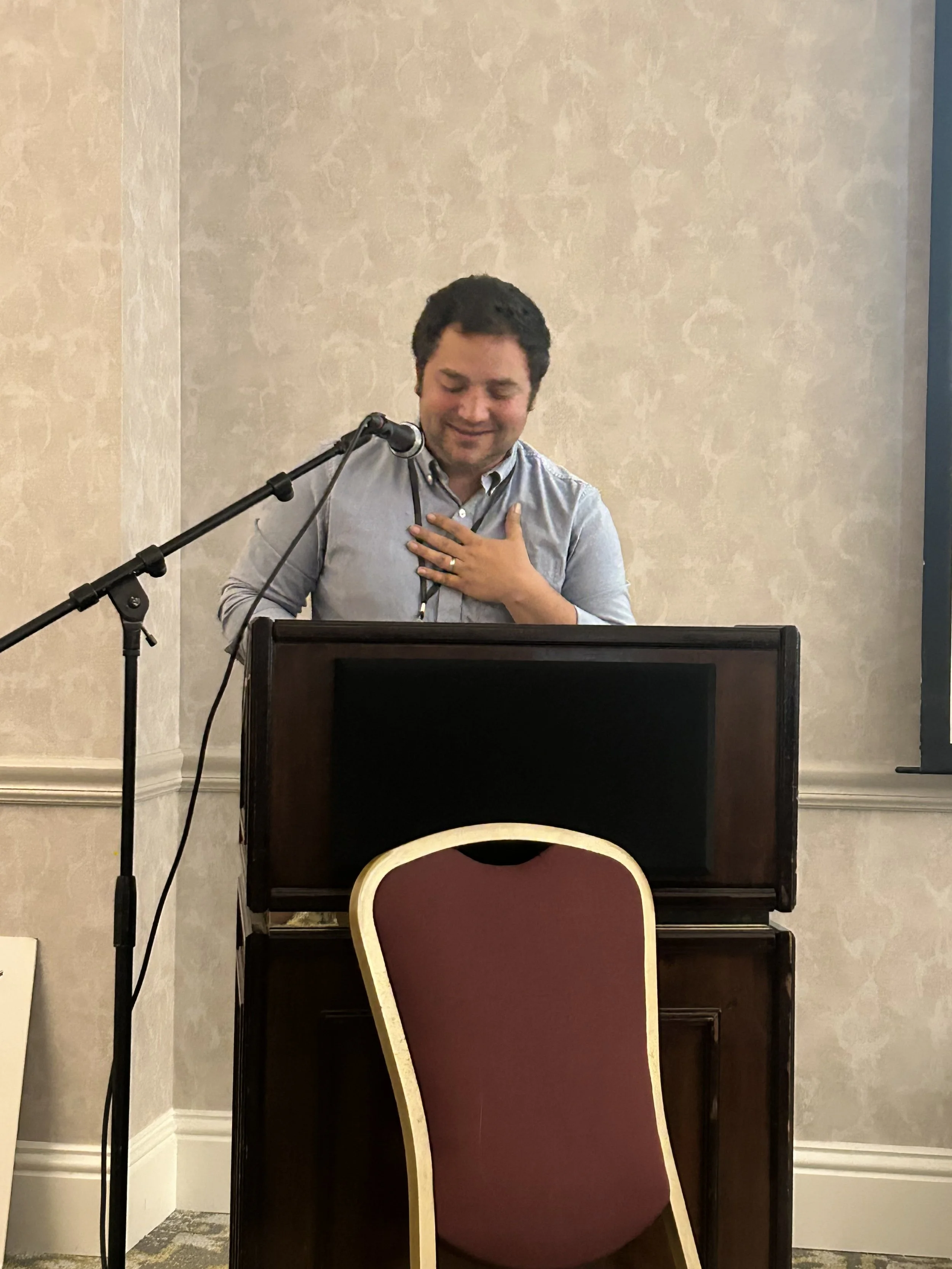
Daniel Torres
Presenting on “Interracial baseball in Reconstruction New York.”
-
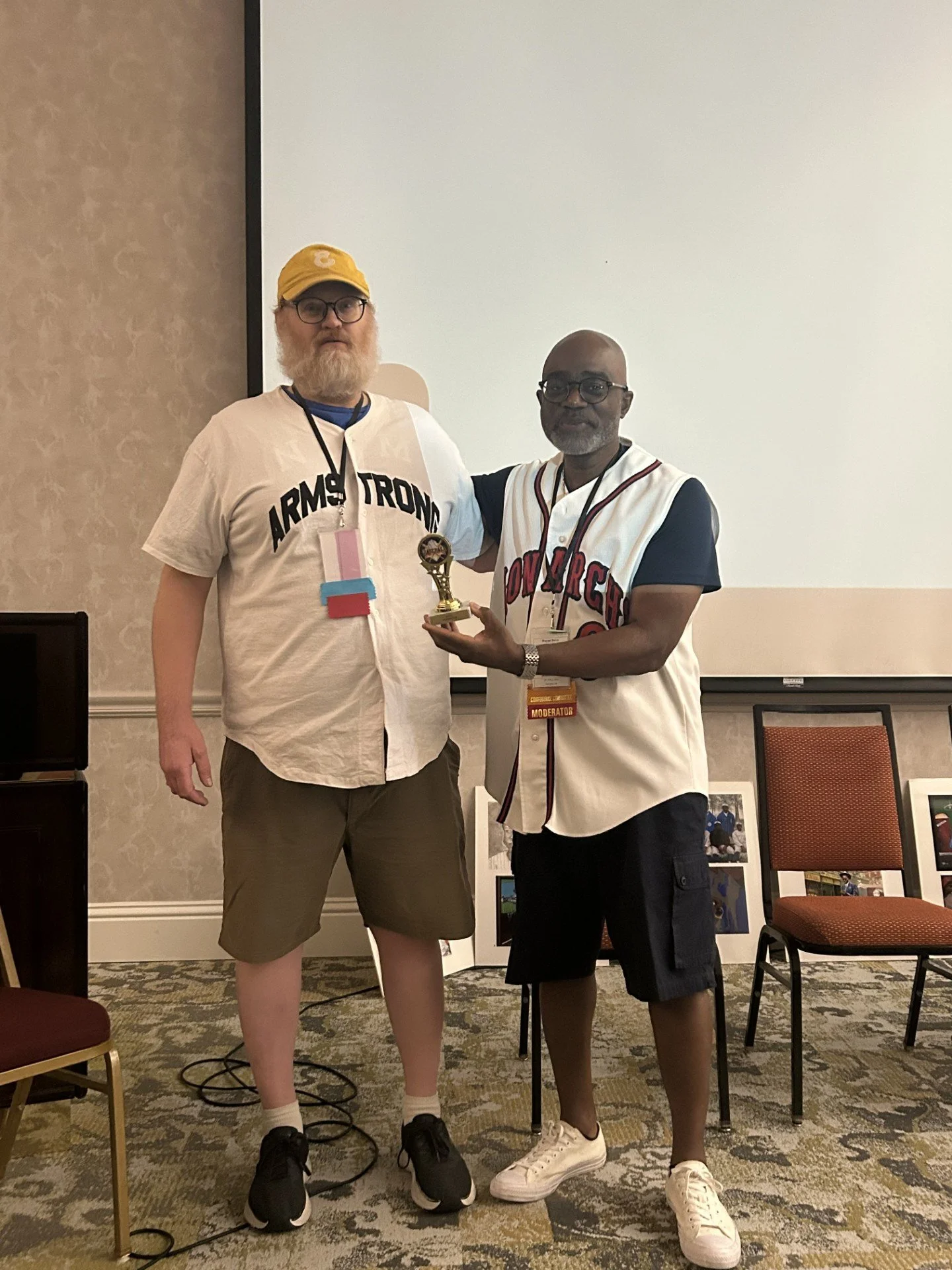
Ryan Whirty
Presenting on Willie Foster’s HBCU connection and time at Alcorn State.
-
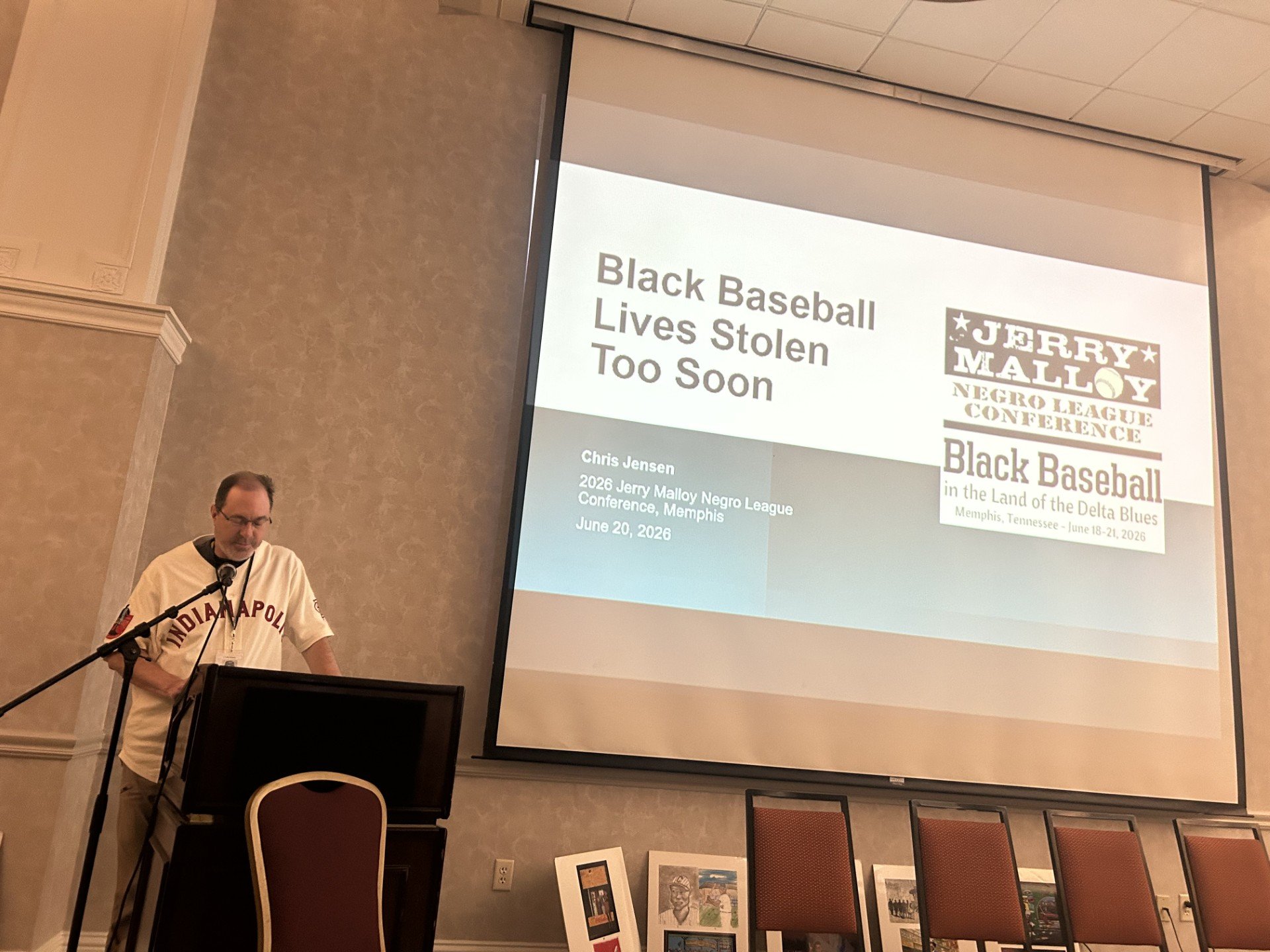
Chris Jensen
Presenting on “Black Baseball Lives Stolen too soon”
-
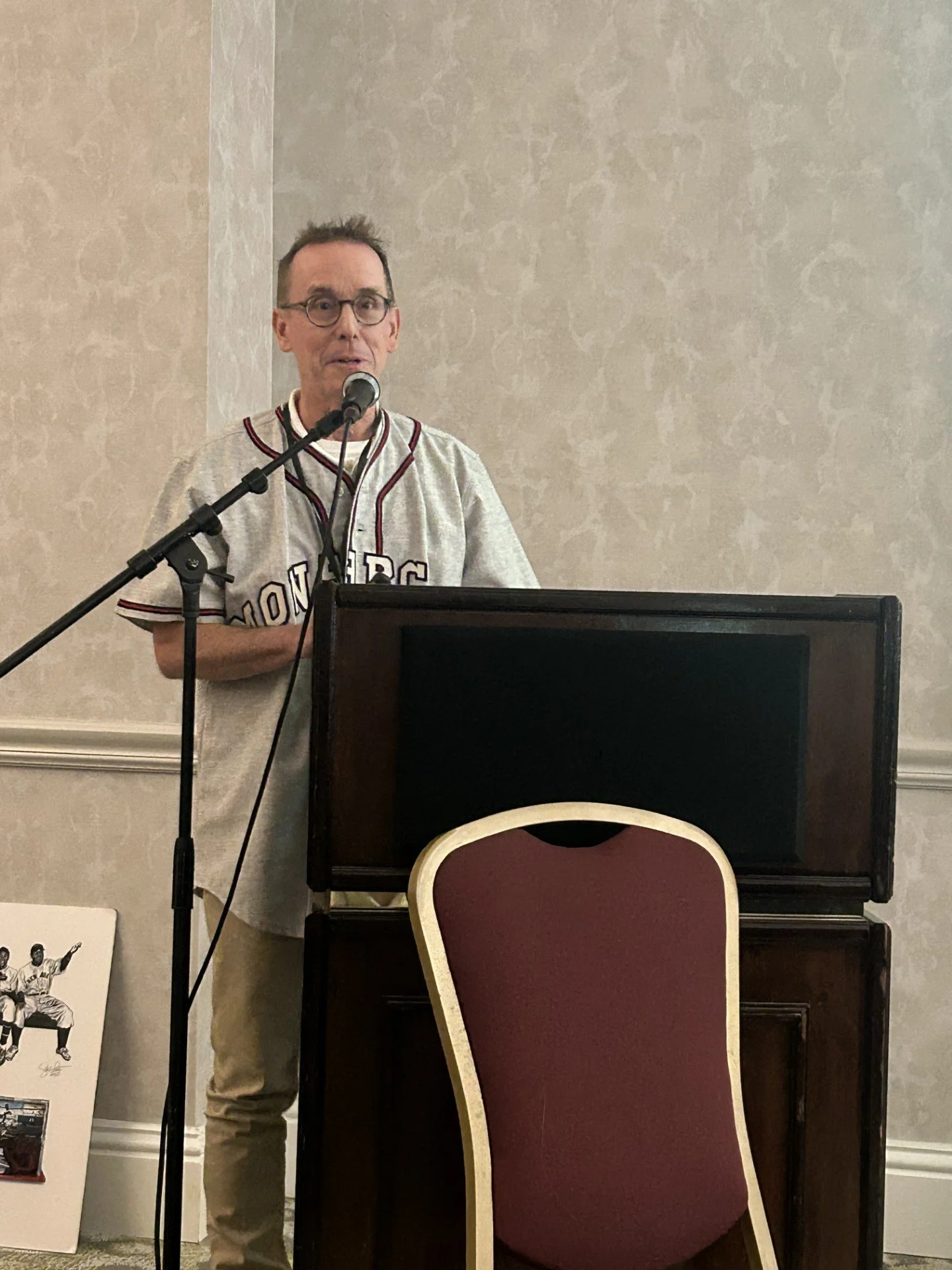
Loren Broaddus
Presenting on his book, “Wasn’t Any Maybe so…”
-
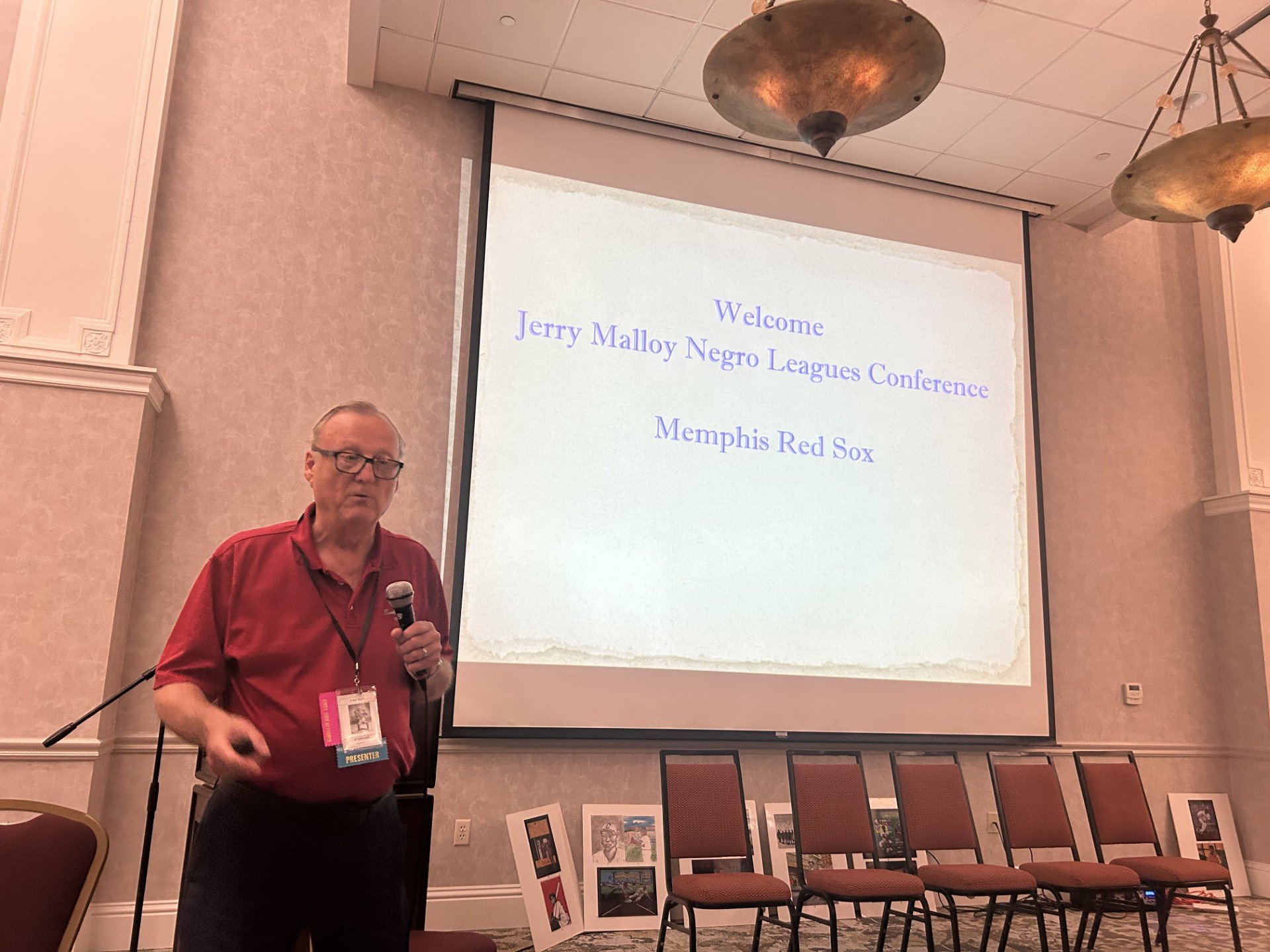
Curt Hart
Interviews with Negro Leaguers
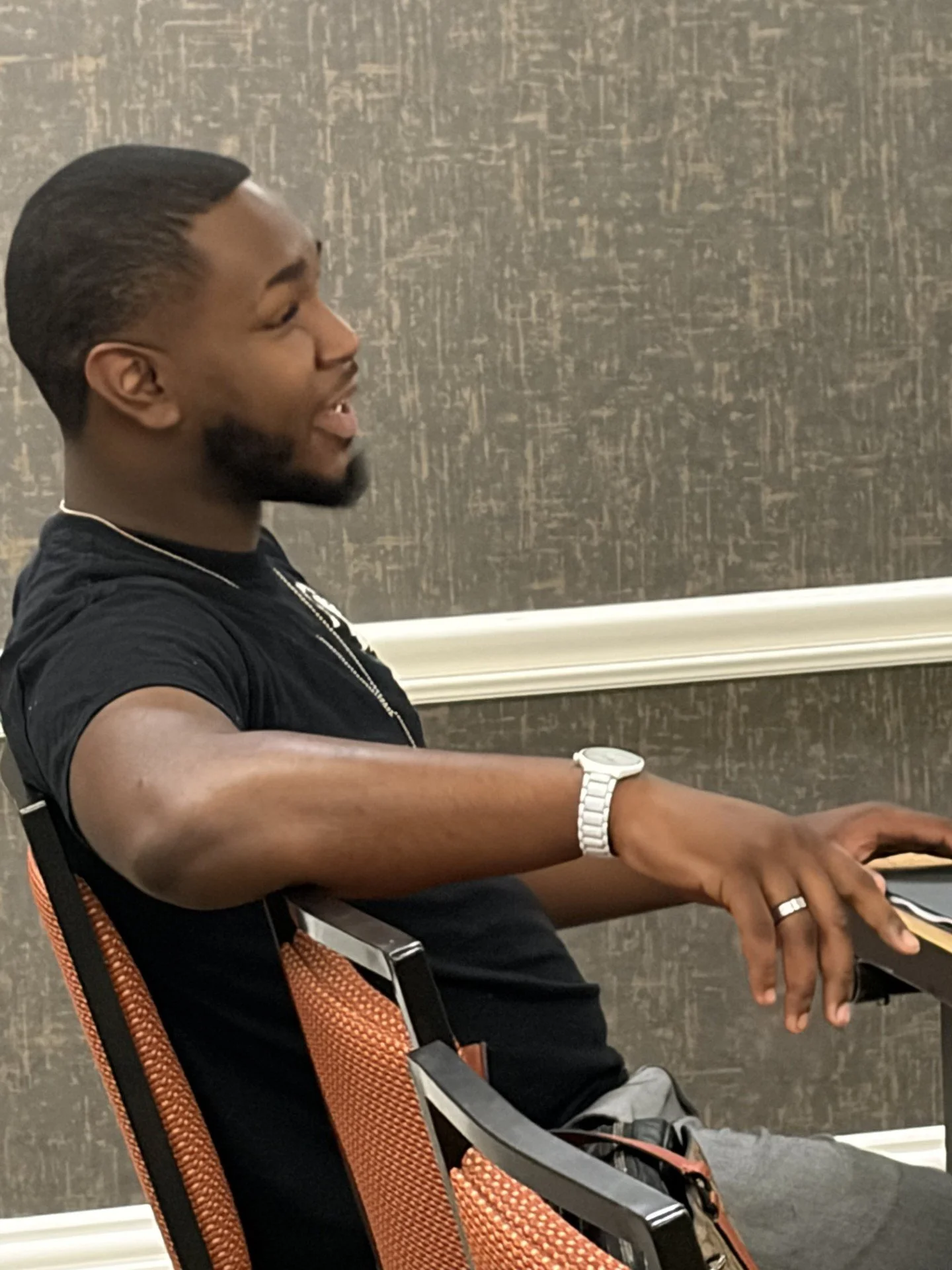
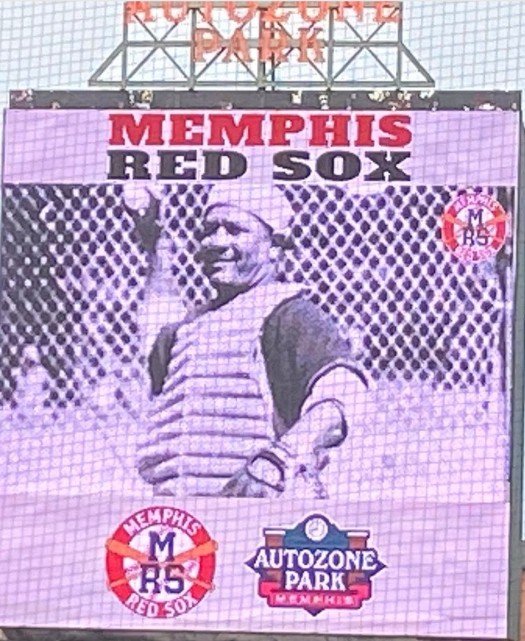
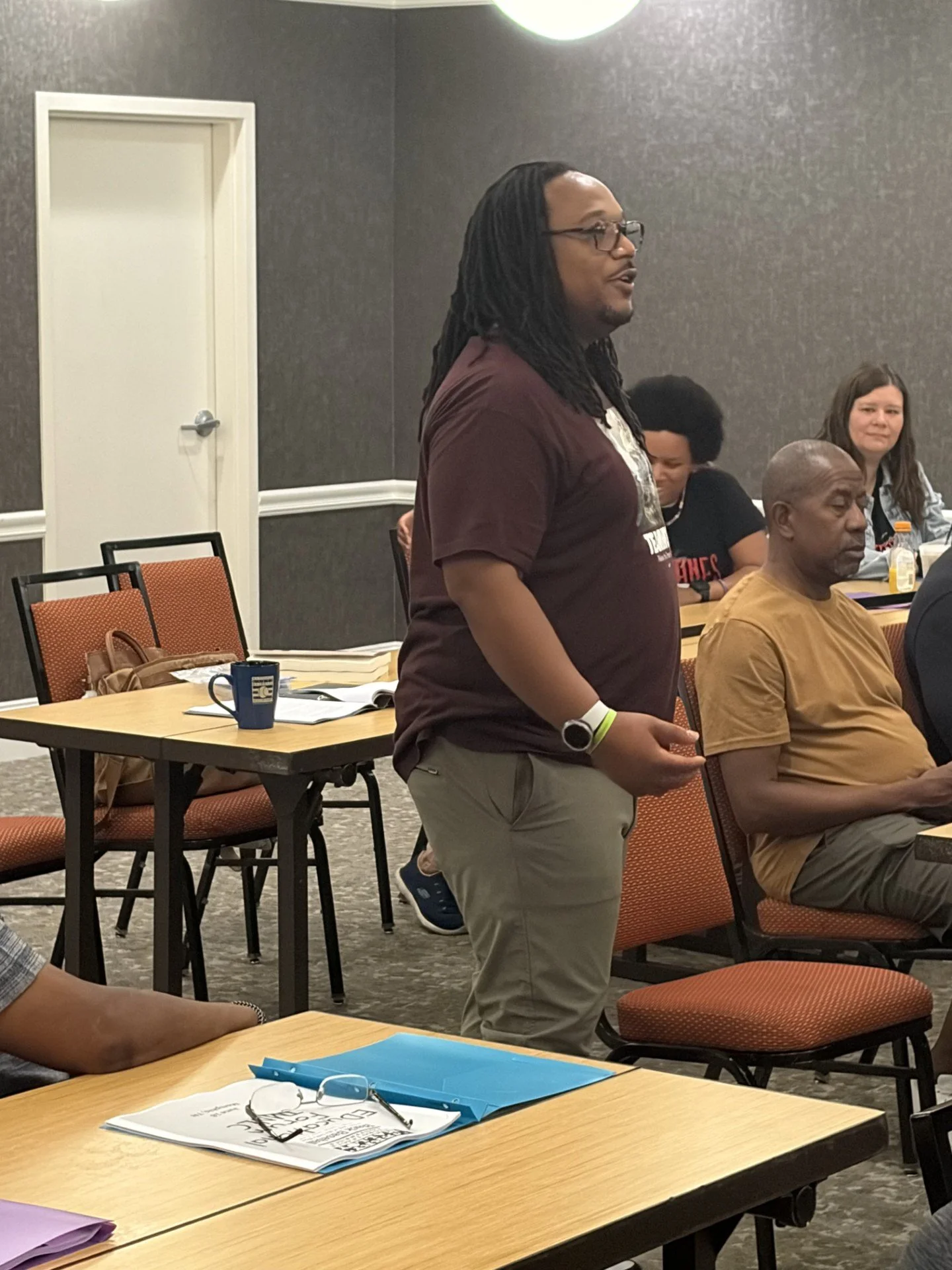
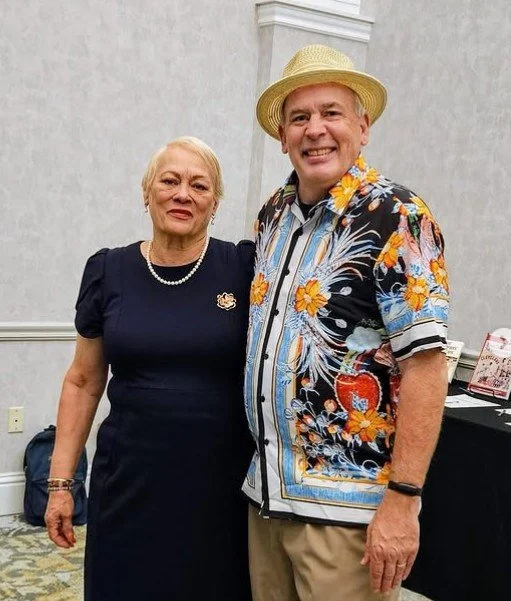
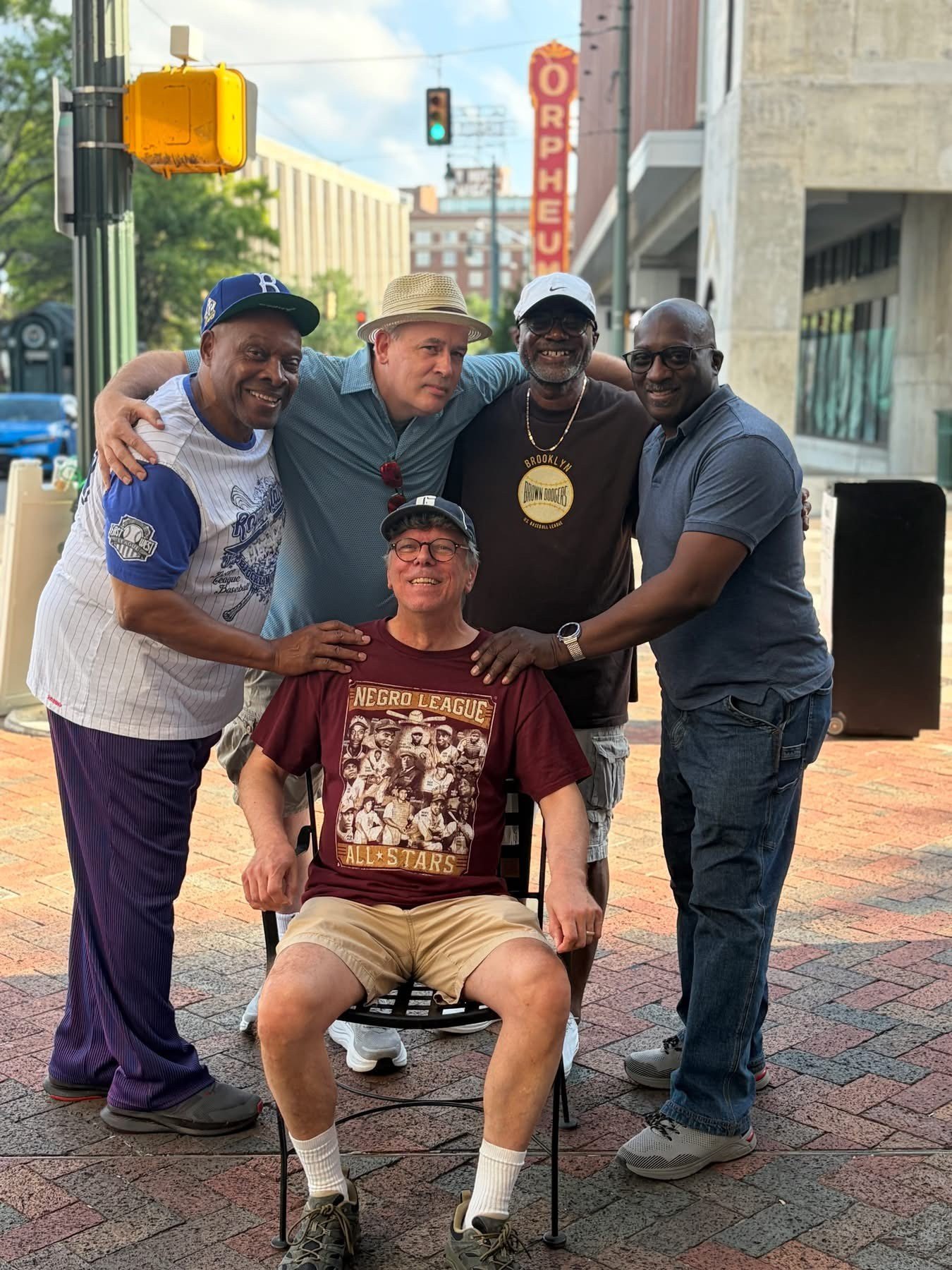
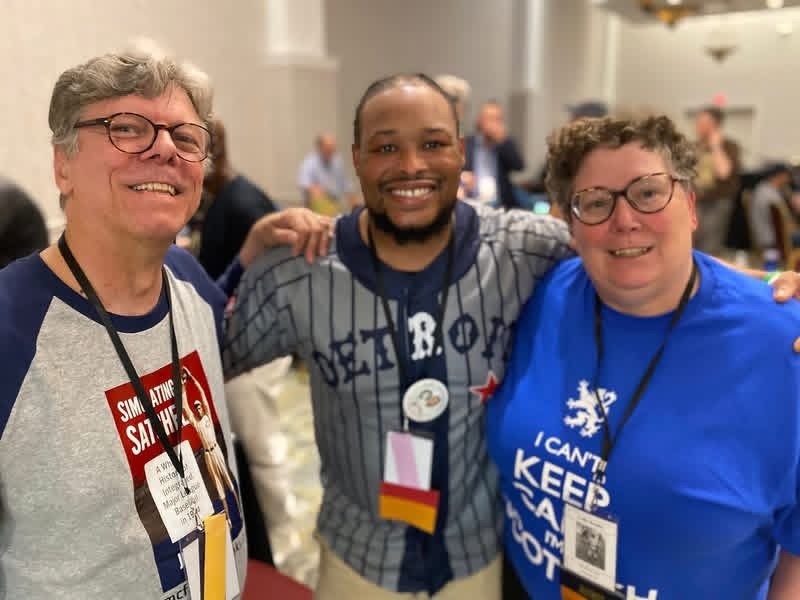
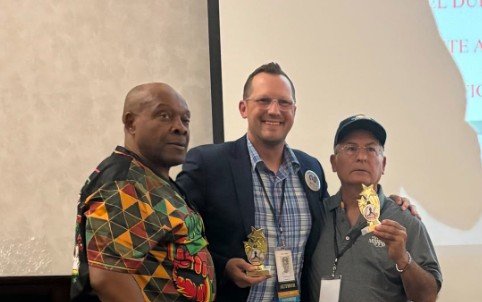
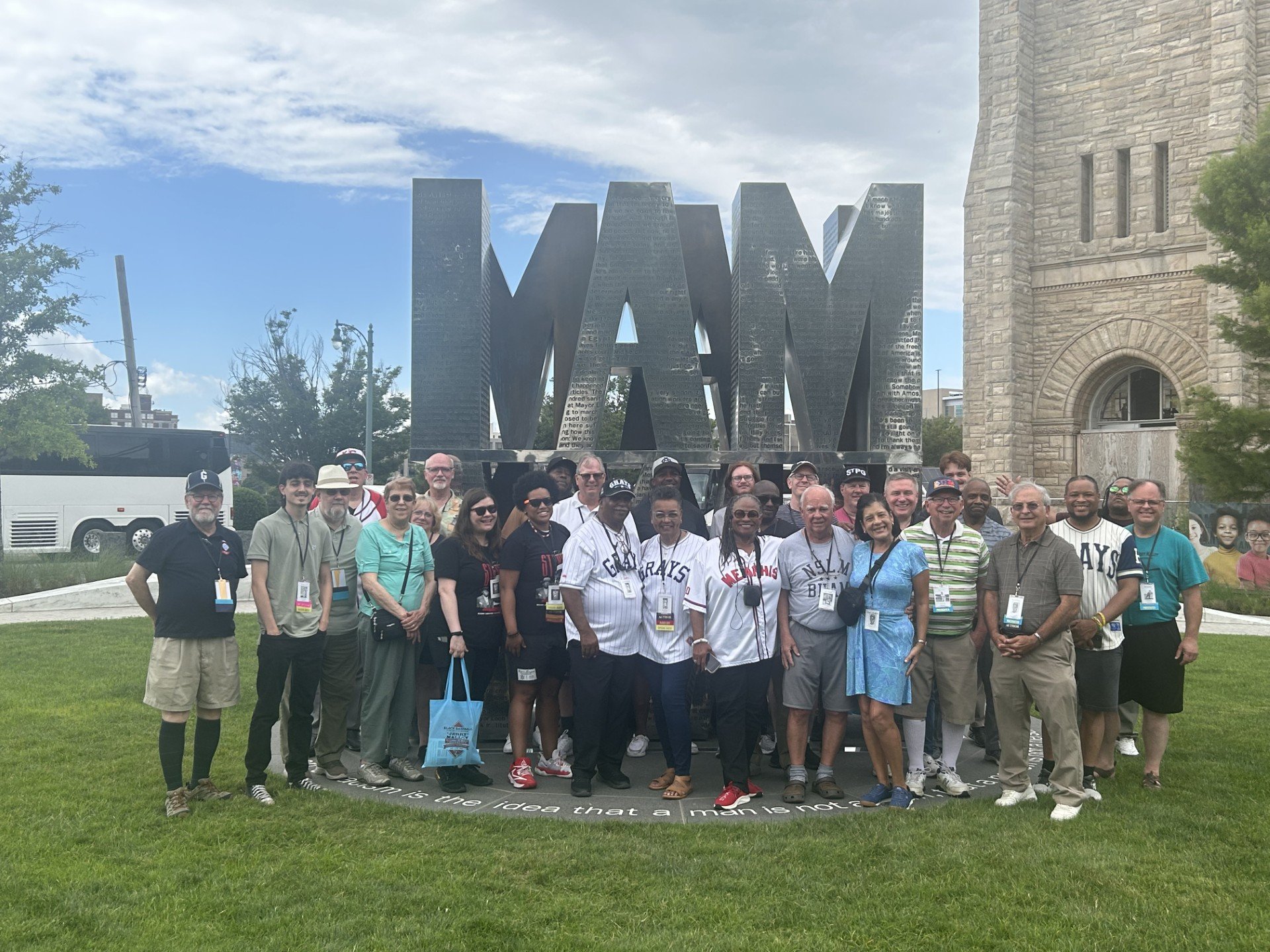
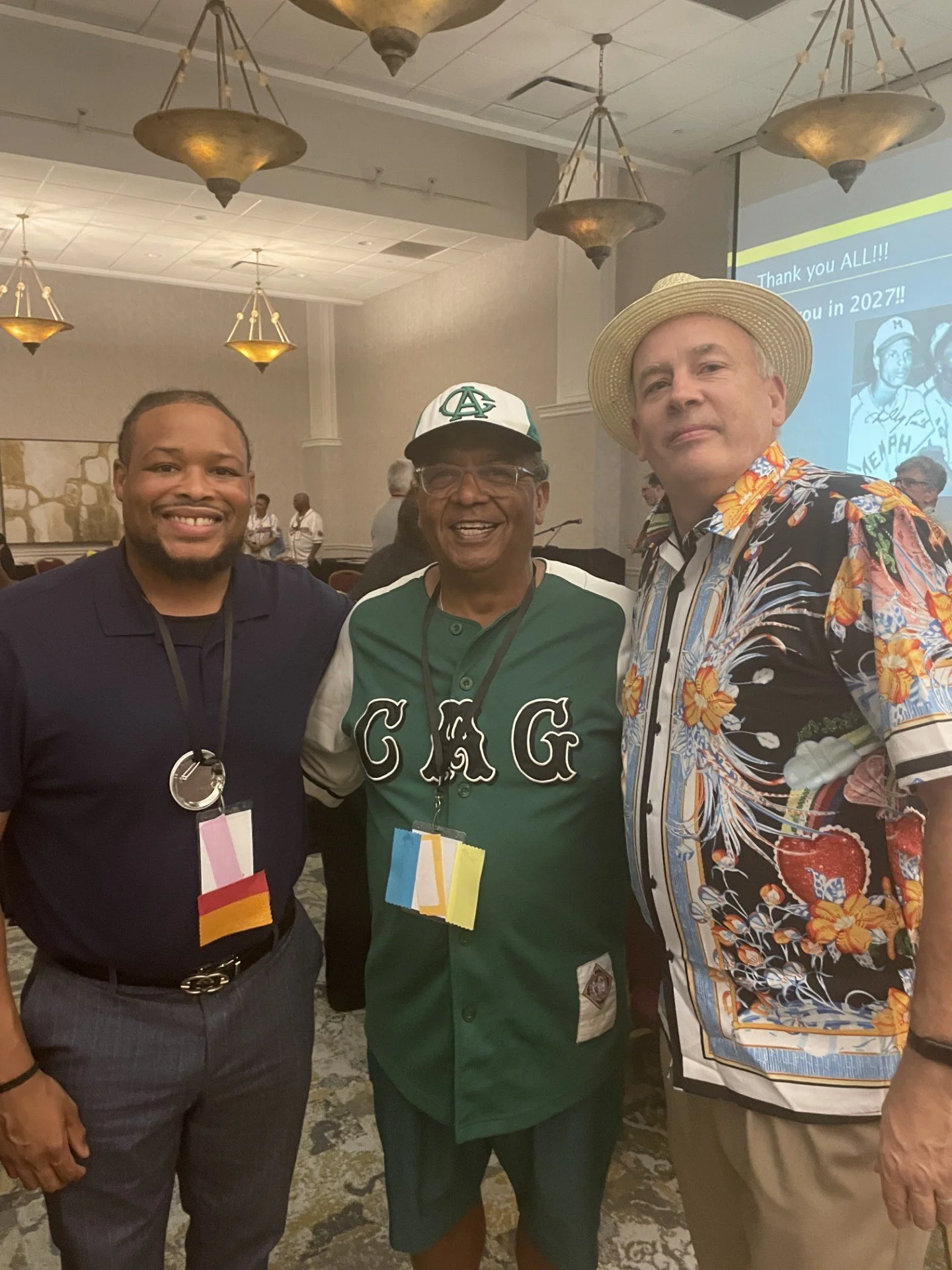
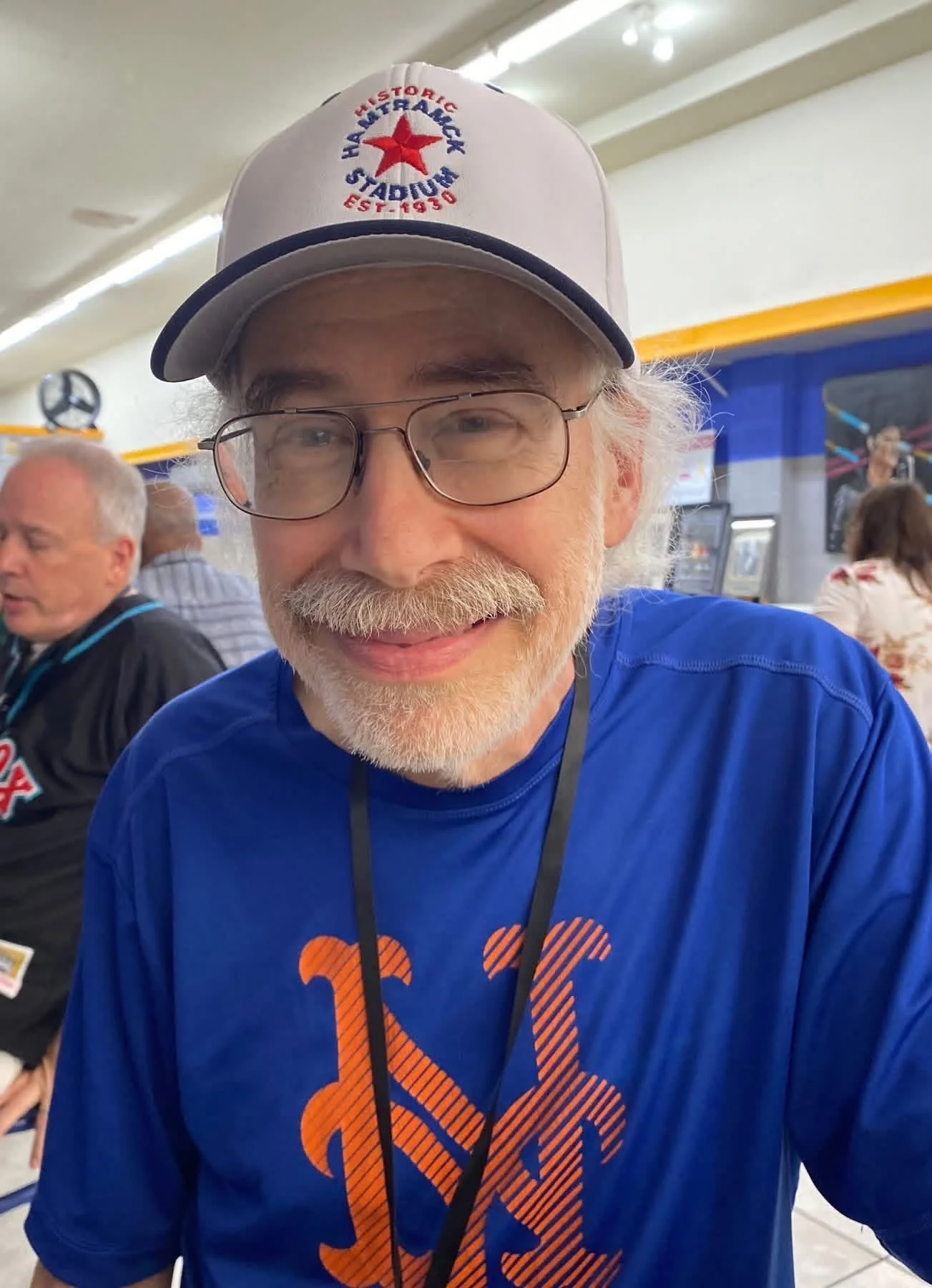
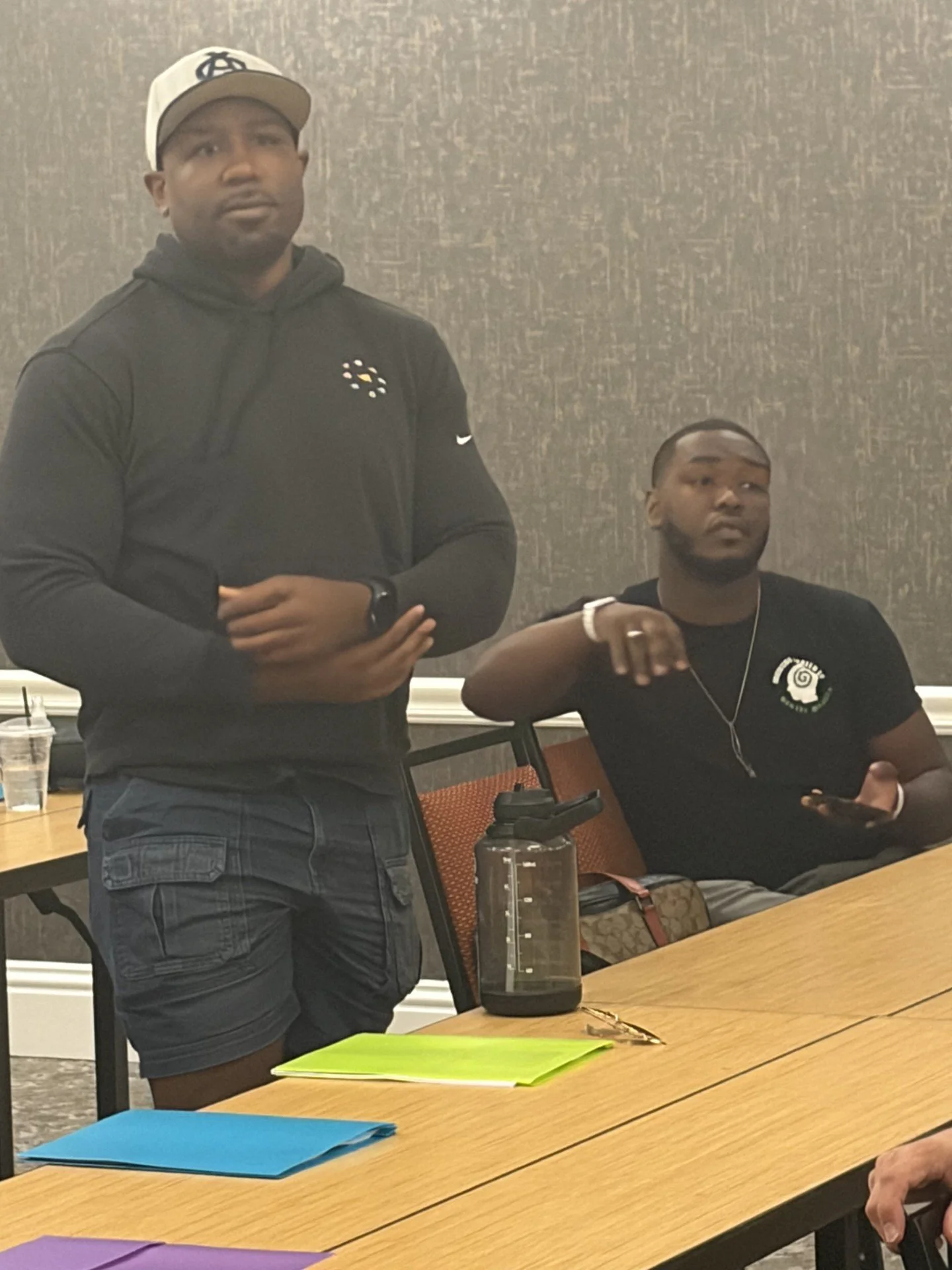
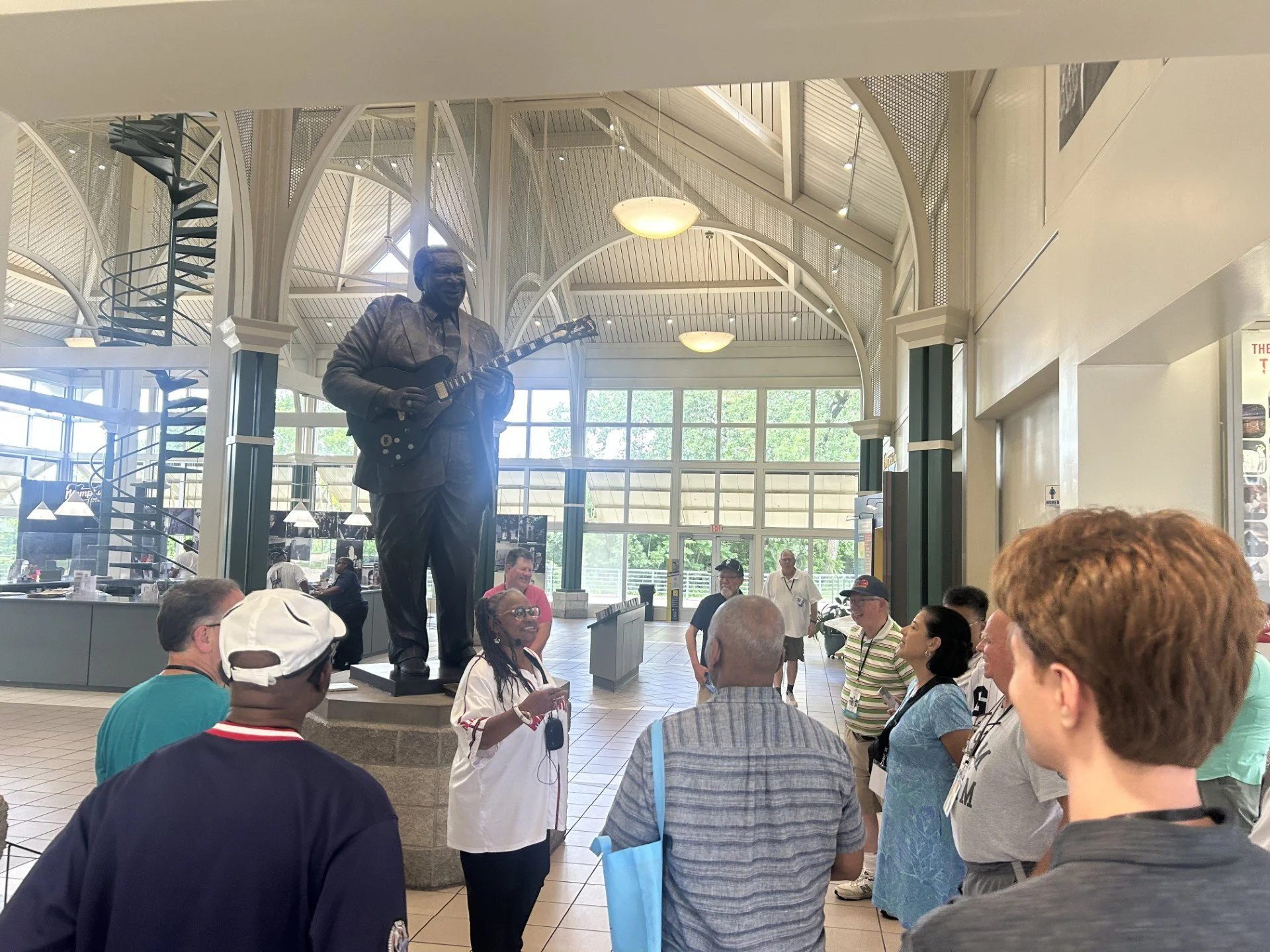
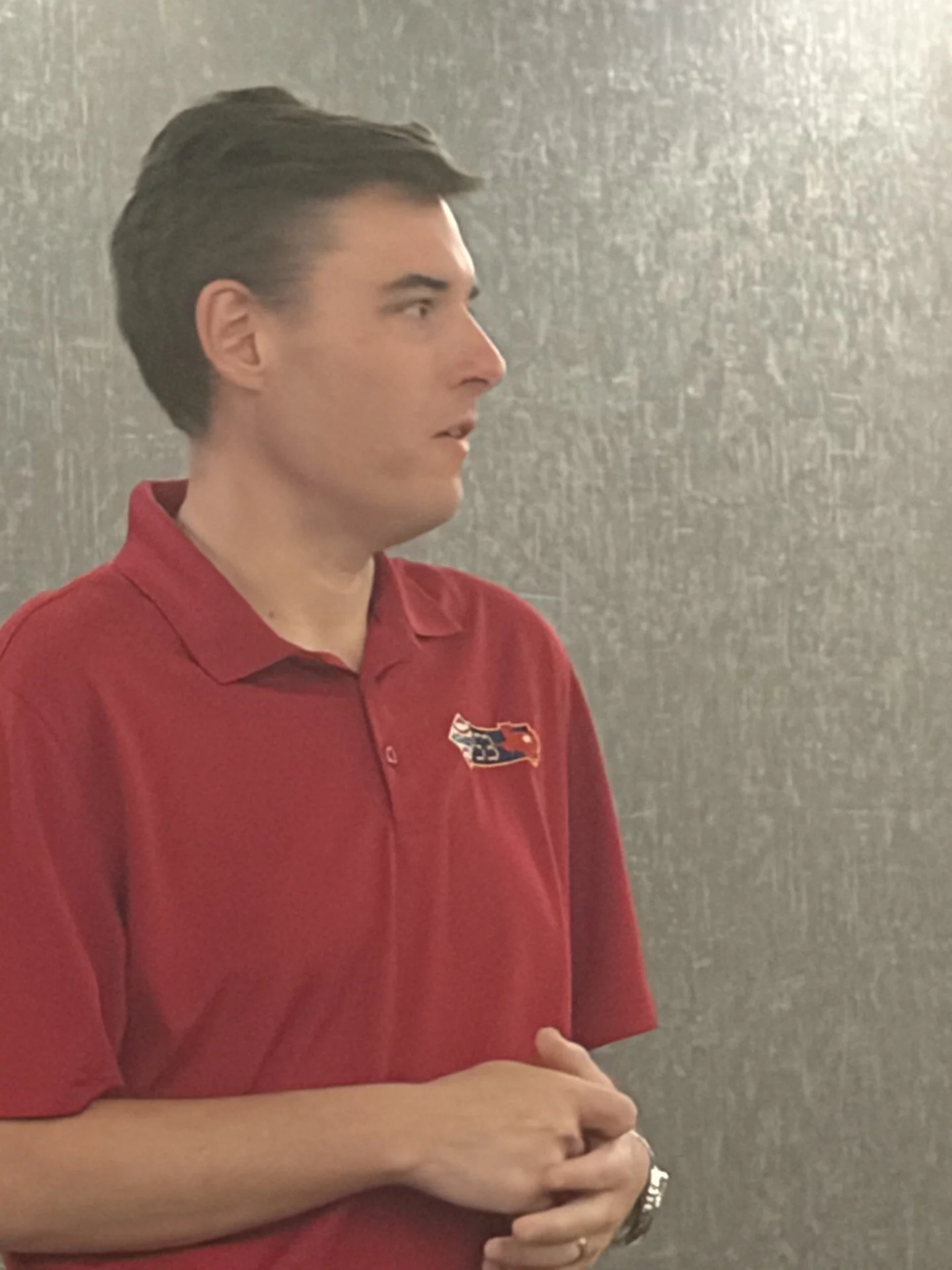
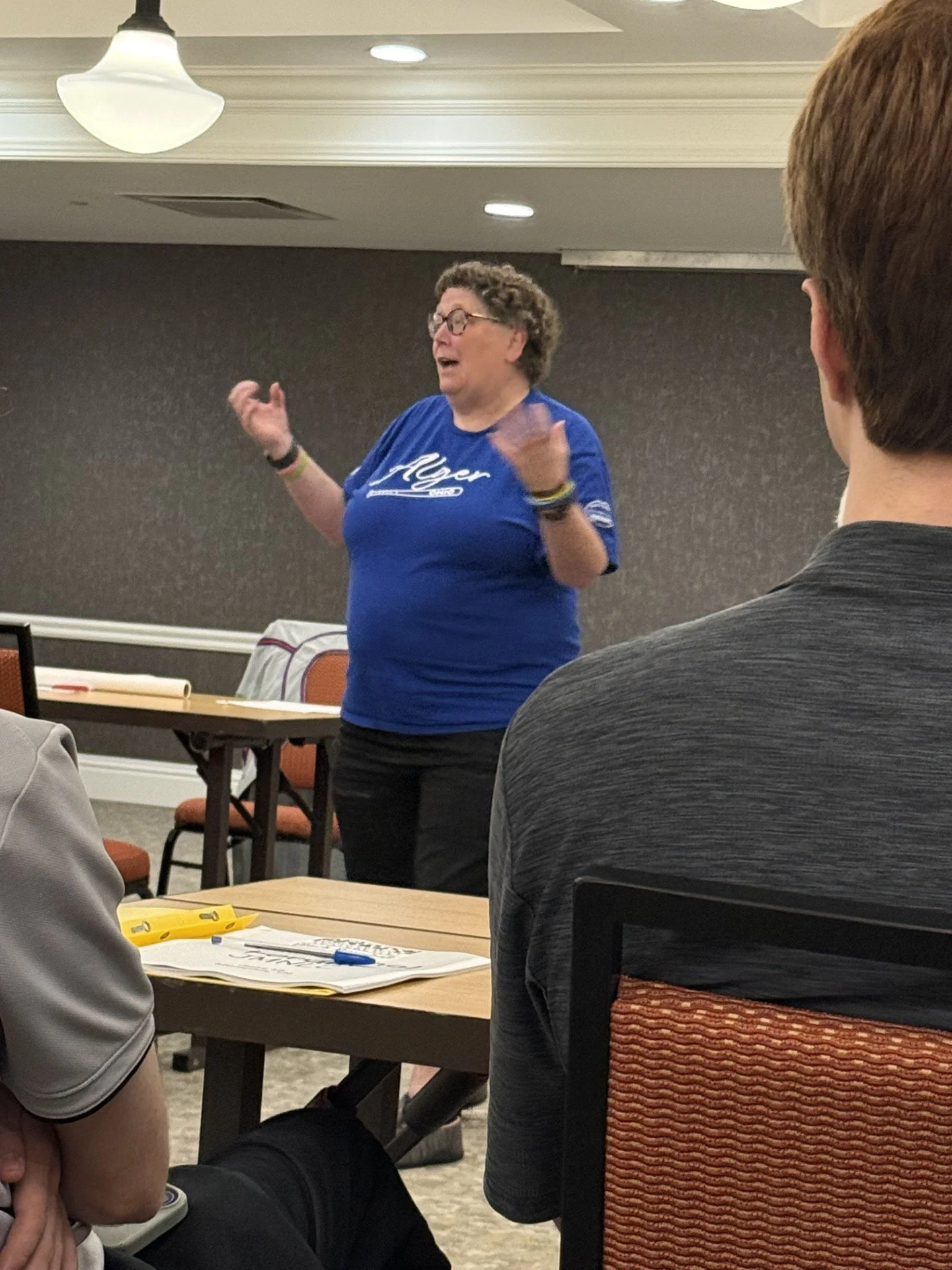
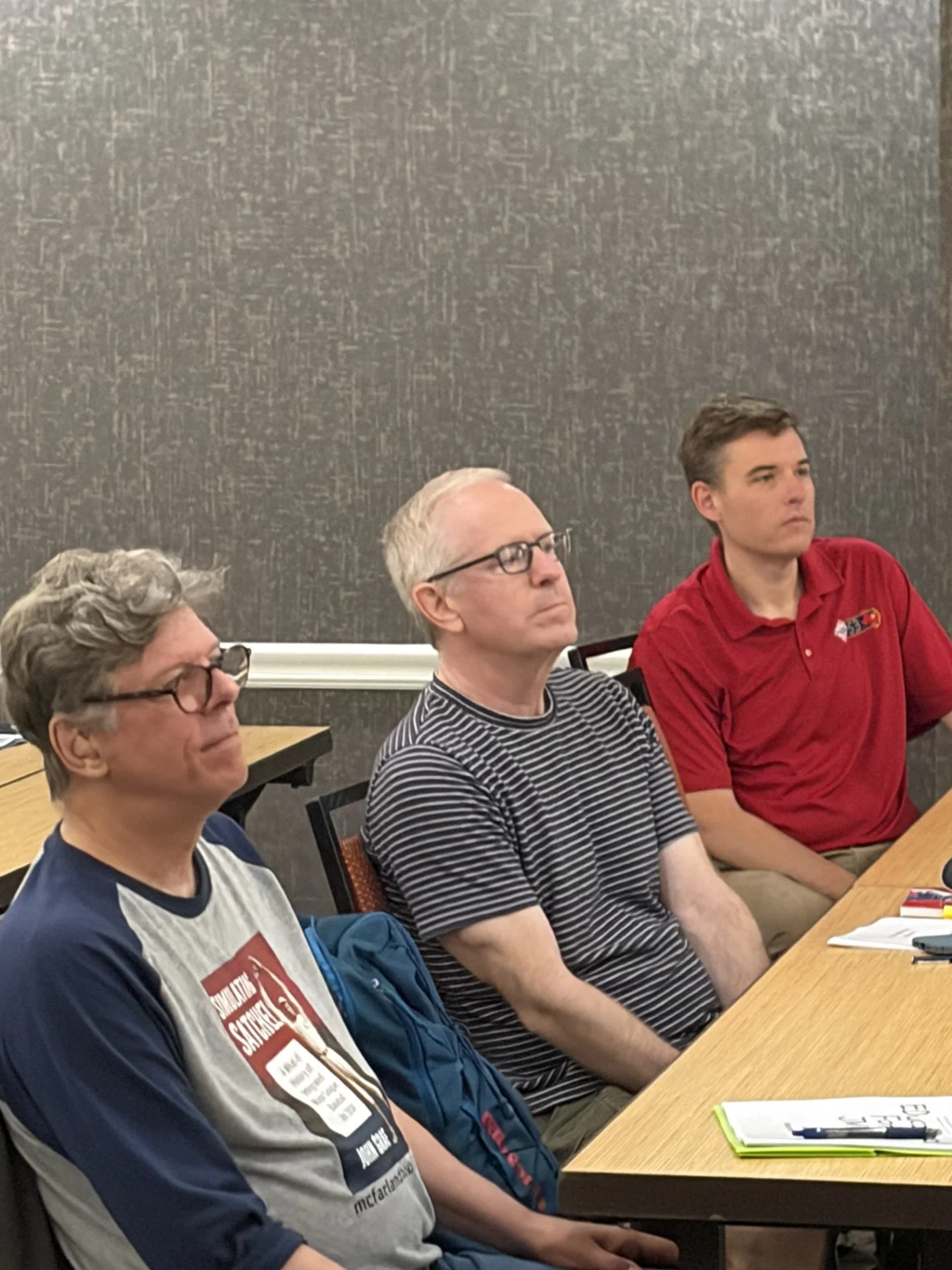
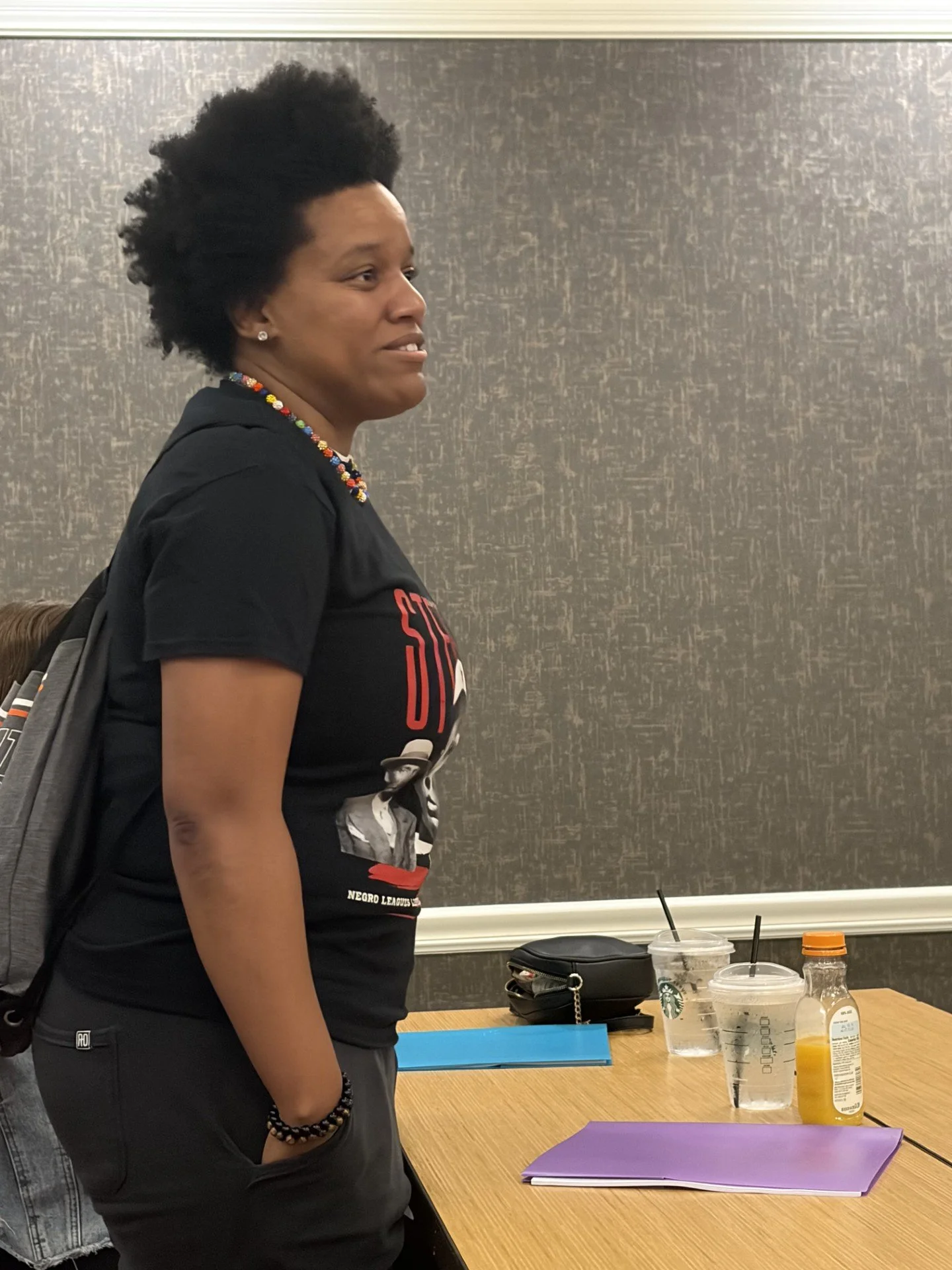
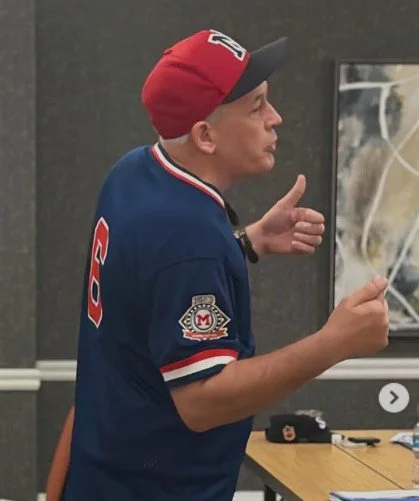
Educator Session @ Malloy 2026
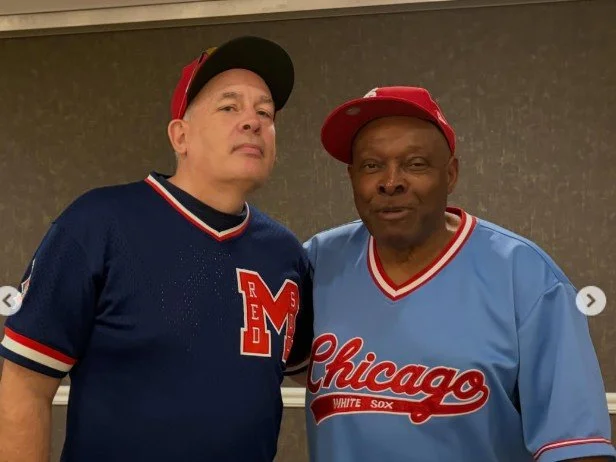
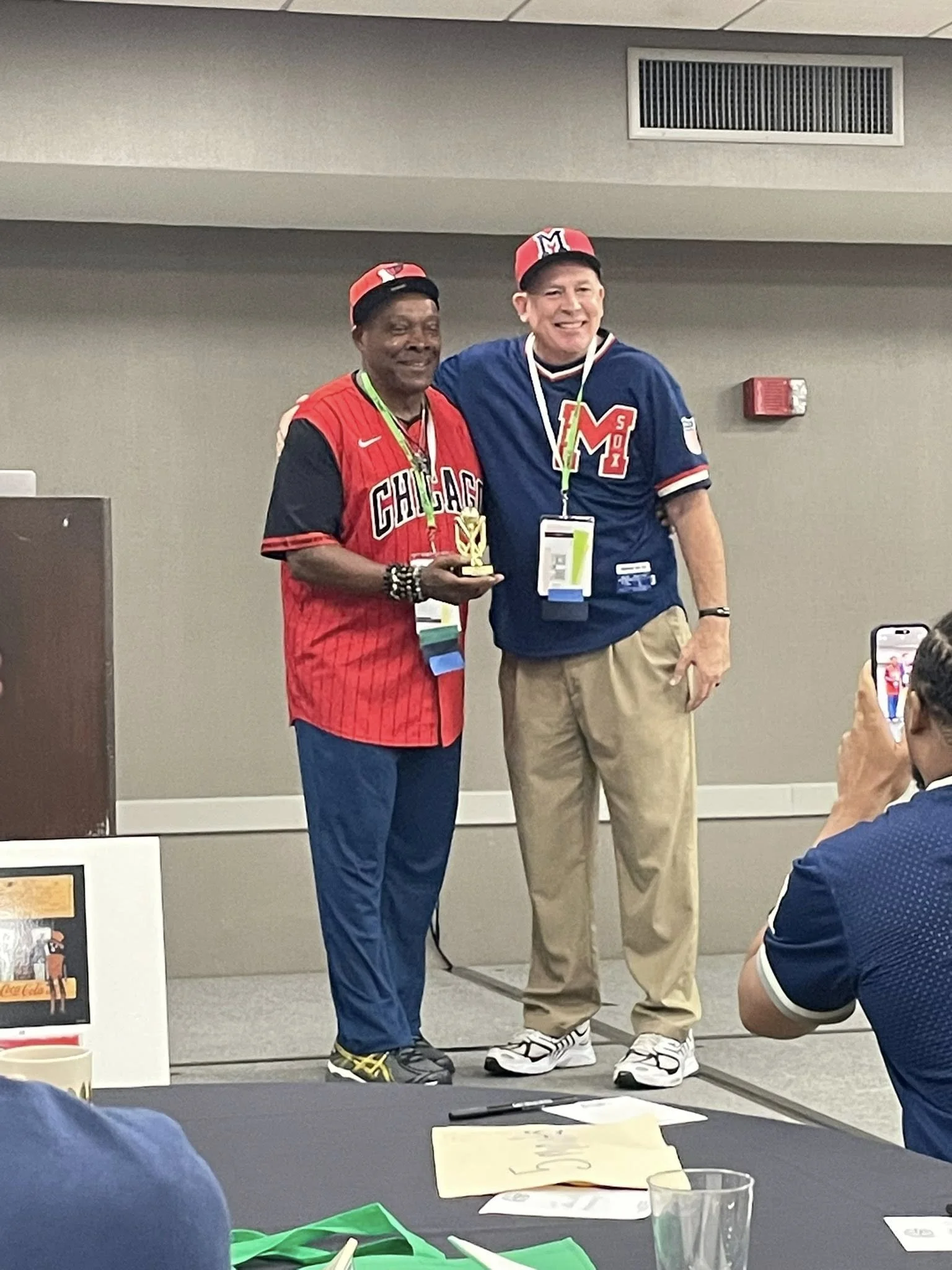
Doc with Doc Brunson
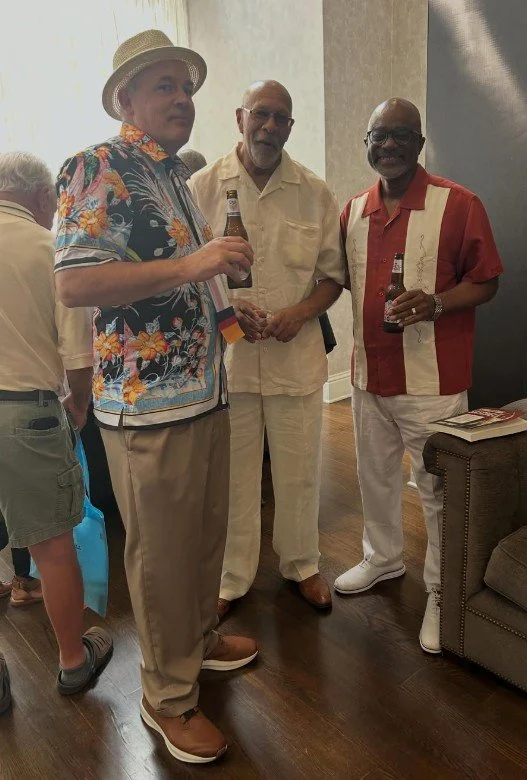
Dressed to the Nines
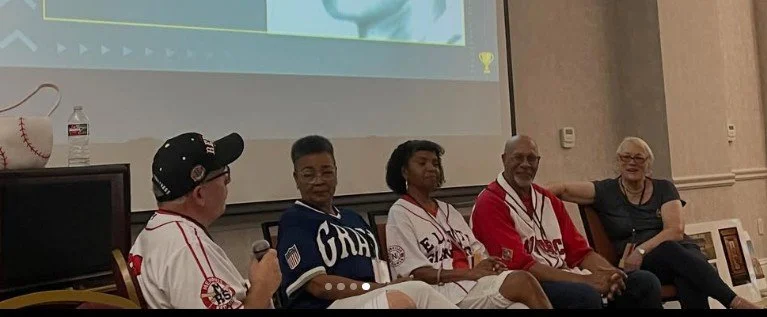
Doc Moderating a 2G Negro Leagues Panel
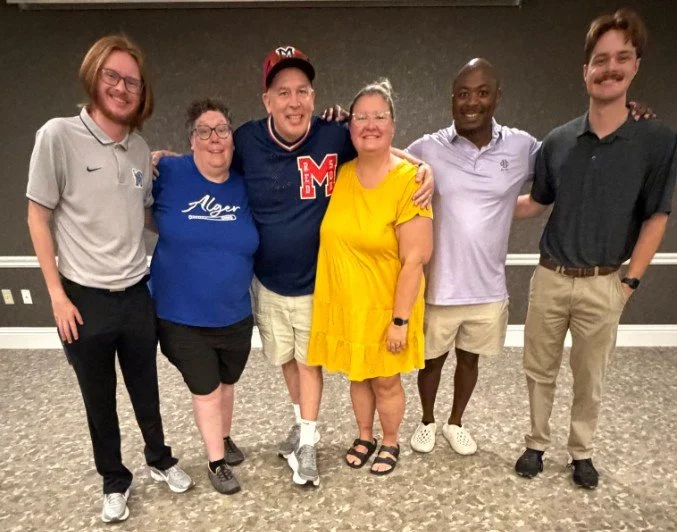
Educator Session w/ Doc Heaphy, CBHS & MCHS alums
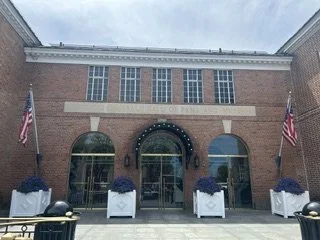
Just a kid from sch’dy
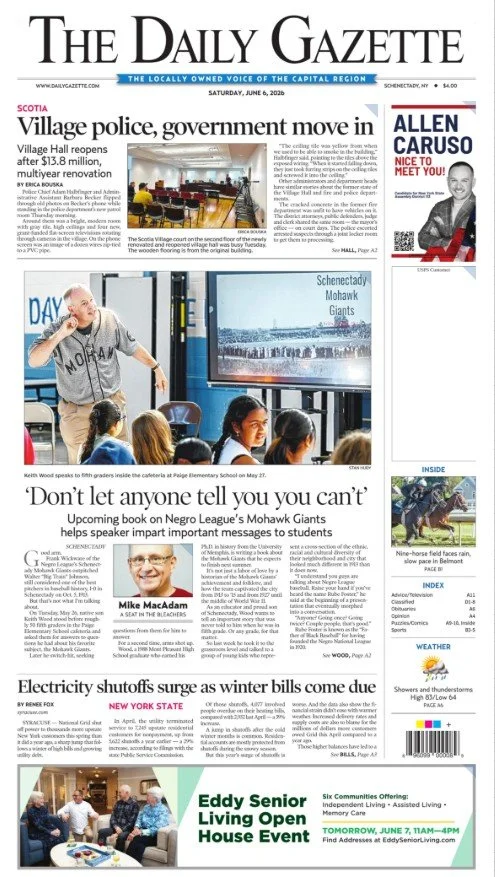
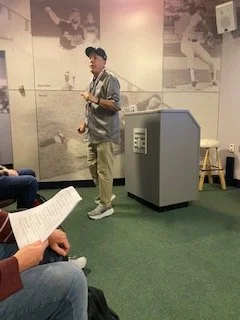
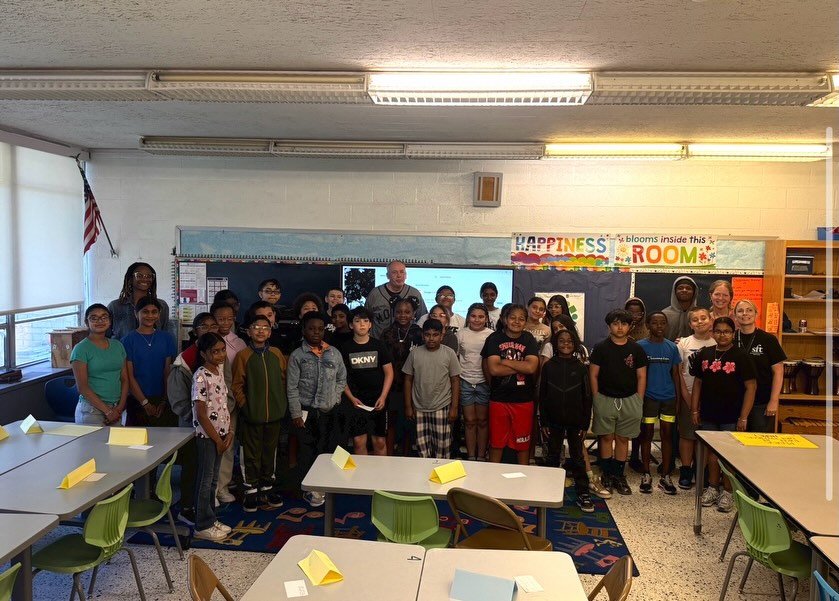
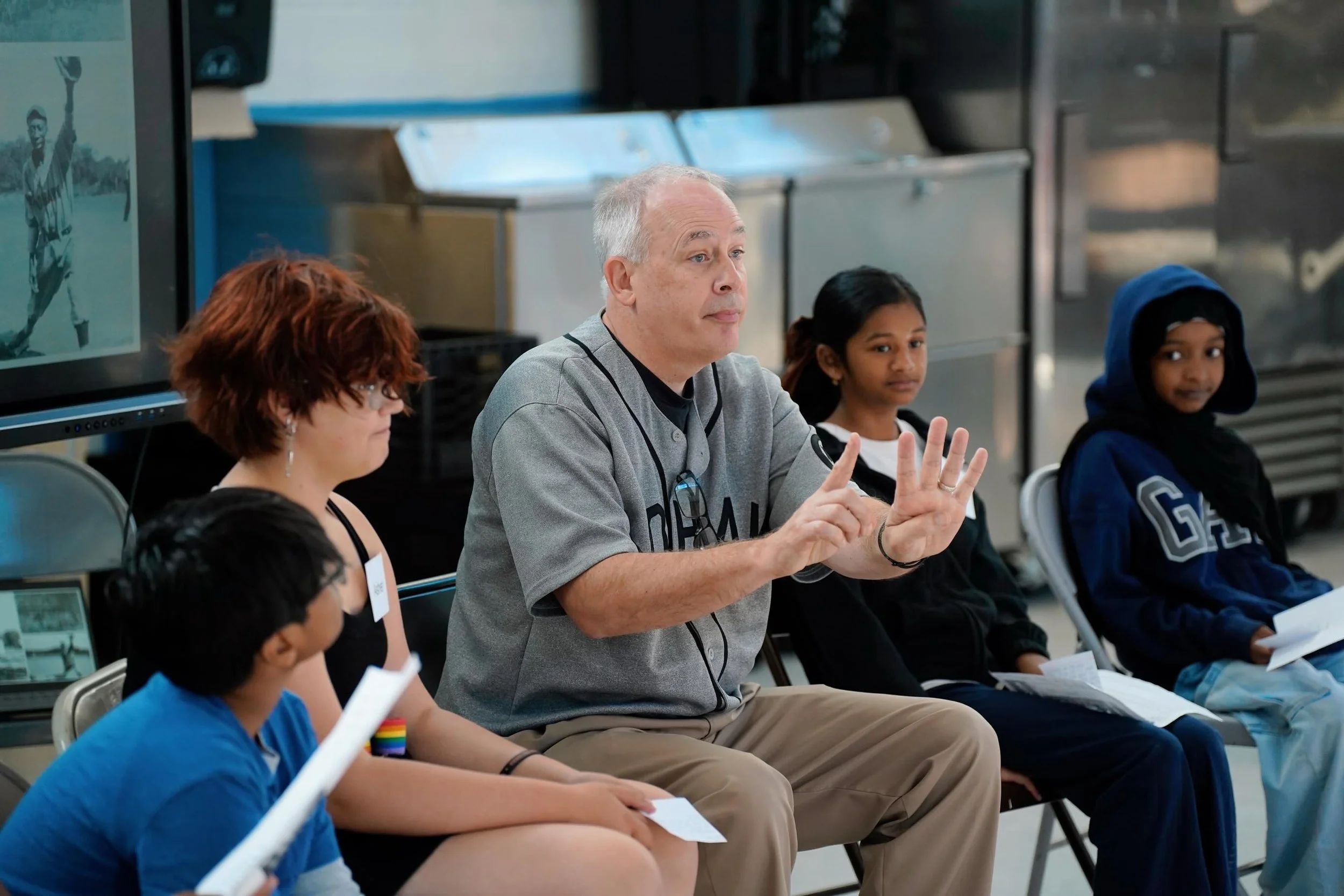
Something special about going home and sharing the story of your hometown Blackball team, the Schenectady Mohawk Giants, with kids who remind you of yourself.
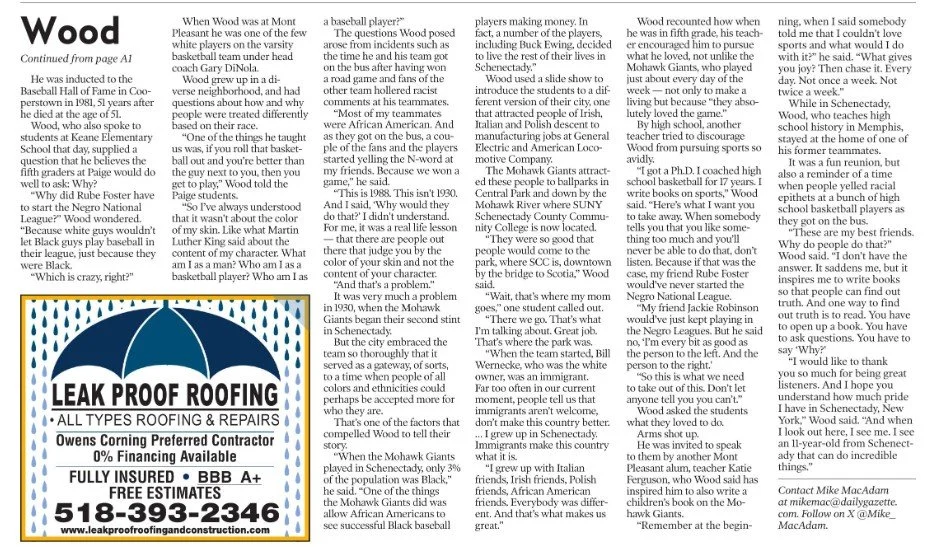

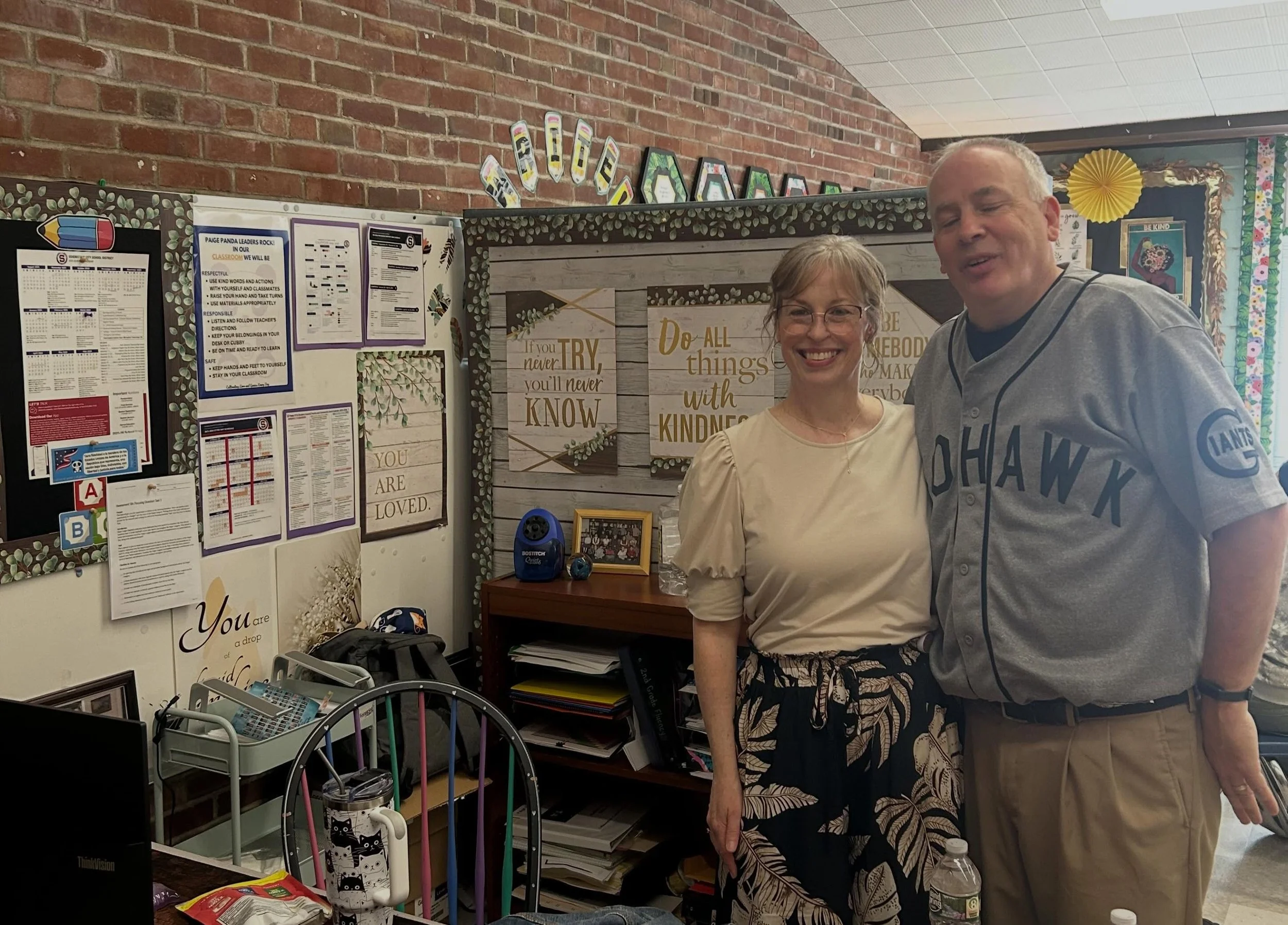
PhD Wood in Schenectady
Sharing his love for the Mohawk Giants

Click on the Icon above to get to
the Pigskin Dispatch Pod

The Memphis Showboats:
The USFL team & the City’s Fight for Major League Status

Click on the link

New Podcast:
Memphis Red Sox w/ Tim Hanlon
EPISODE 429: The Negro Leagues' Memphis Red Sox - With Keith Wood
Author and baseball historian Keith Wood ("The Memphis Red Sox: A Negro Leagues History") joins the show to explore the rich yet often overlooked story of the Memphis Red Sox, one of Black baseball’s most resilient and community‑rooted franchises. From their semi-pro origins in the early 1920s to their run through the Negro Southern, National & American Leagues, the Red Sox embodied sustained Black ownership and stability in a turbulent era for segregated sports.
Wood details how the Martin family, a group of influential African American professionals, uniquely controlled both the club and its home field, giving Black Memphis rare economic and cultural autonomy around the ballpark. We dig into the social life of Martin Stadium, where Sunday doubleheaders doubled as civic gatherings and a showcase for elite Black talent passing through the Mid-South.
The Red Sox story features future Major Leaguers and other notable figures who wore the Memphis uniform - including Dan Bankhead, Bob Boyd, Buck O’Neil, and even country music hall-of-famer Charley Pride - and what their stories reveal about the broader pipeline from the Negro Leagues to integrated baseball.
Wood also explains how the forces that followed Jackie Robinson’s breaking of the color barrier led to the slow decline and eventual disappearance of the franchise by the end of the 1950s - while leaving behind a powerful legacy of entrepreneurship, community pride, and baseball excellence.
PLUS: Charlie Pride's only Billboard Top 40 pop crossover hit!
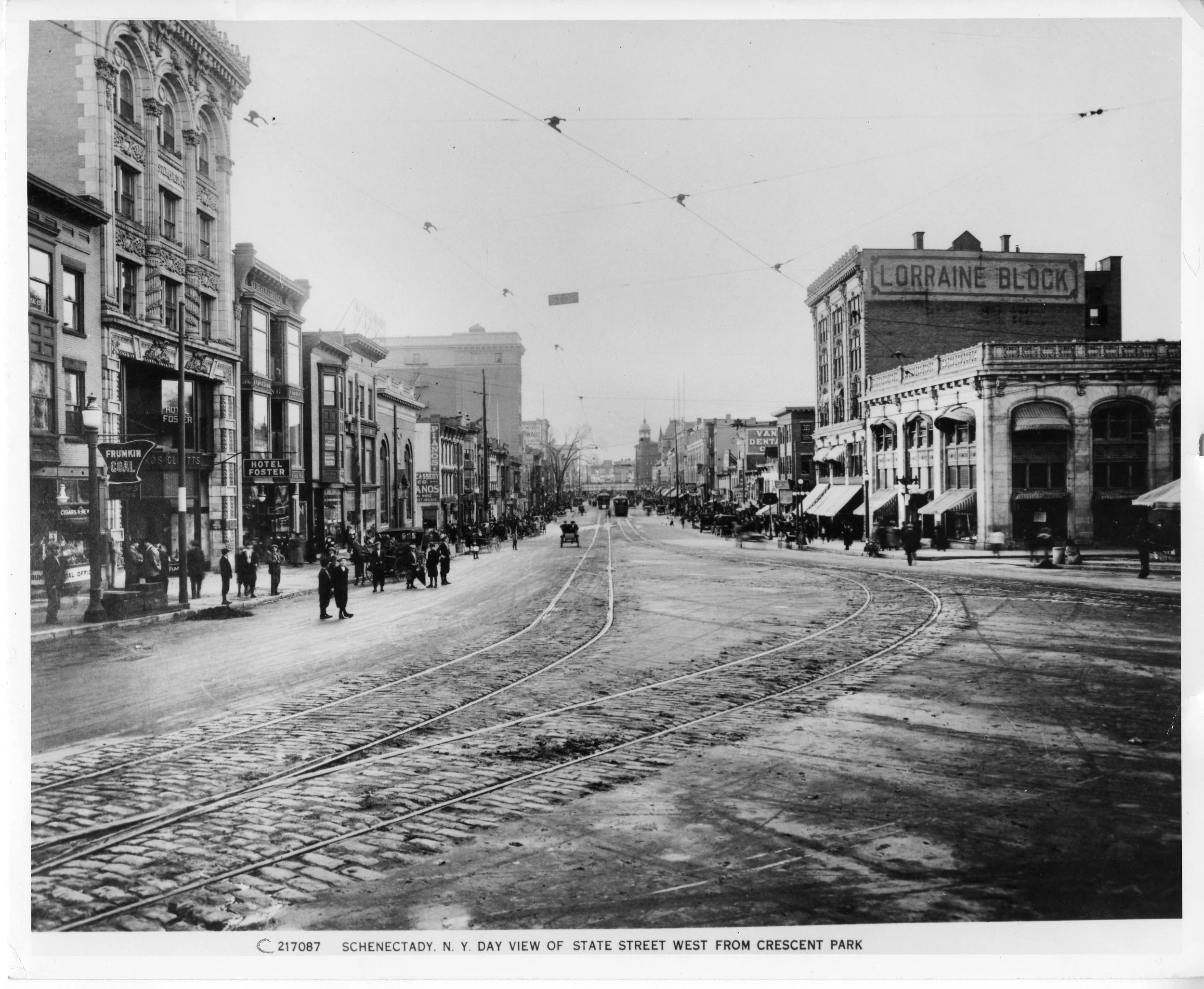
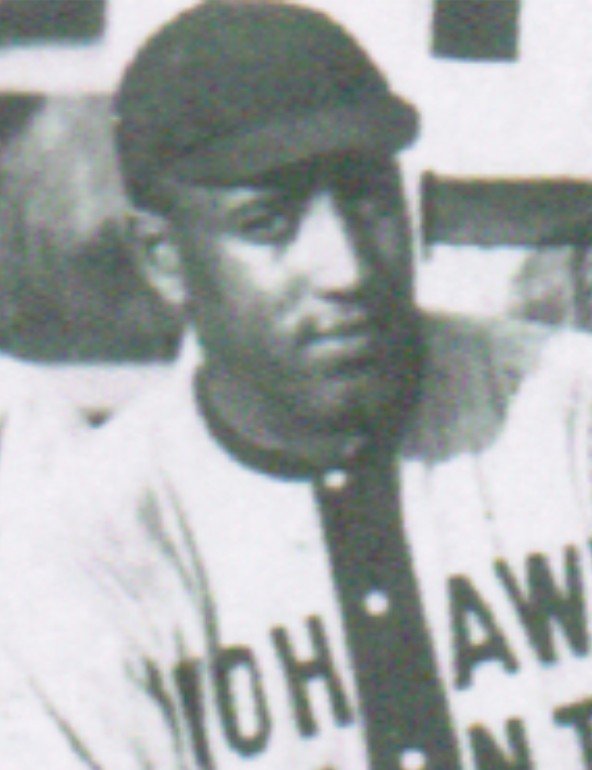
Phil Bradley
Schenectady’s Own
SABR Biography
The accolades surrounding Philip Daniel Bradley place him among stars of Blackball’s Deadball Era. “For second catcher, Phil Bradley of the (Brooklyn) Royals is easy (sic) the second-best catcher in colored baseball. He is a better hitter than Bruce Petway, and has a head along with a true snap throwing arm,” according to reporter Harry Daniels.1 Bradley, a native of Schenectady, New York, may be the best homegrown player in city history, according to local historian Frank Keetz.2 Bradley’s time with the original Cuban Giants, Brooklyn Royal Giants, Leland Giants, Patterson Smart Set, and Schenectady Mohawk Giants provides legitimacy. His years with Pittsburgh’s Colored Stars of Buffalo (NY) ring hollow as semiprofessional statistics unworthy of major-league status. The National Baseball Hall of Fame research library holds no files on Bradley.3 His career spanned over 20 years (1903-1926), including hotel leagues in Cuba and alongside the best talent on either side of the color line.
Phil Bradley, born on March 28, 1886, in Albany, New York, was the son of Charles M. Bradley, a white medical student in Albany, New York, and an unknown Black woman.4 Charles Bradley married Mary Marx, a white woman from Schenectady, in January 1886 and moved to Chicago to practice medicine. Charles had two sons, Nathan and Frederick, in Chicago, who had no contact with their half-brother, as Charles and Mary left Philip with Mary’s father, Peter Marx Sr., in Schenectady. Peter, a German broom maker, lived with his wife, Elizabeth. The couple raised six children in Schenectady. By 1886, all of their sons were married and living independently. When Mary married Charles Bradley, Peter, in his mid-50s, agreed to allow Phil Bradley to live with him and Elizabeth on Albany Street in Schenectady.5 He worked at the Schenectady Whisp Broom Factory, the nation’s leading producer of brooms. His employment also included years with the American Locomotive Company and with General Electric as a machinist.
Jerry Malloy Conference
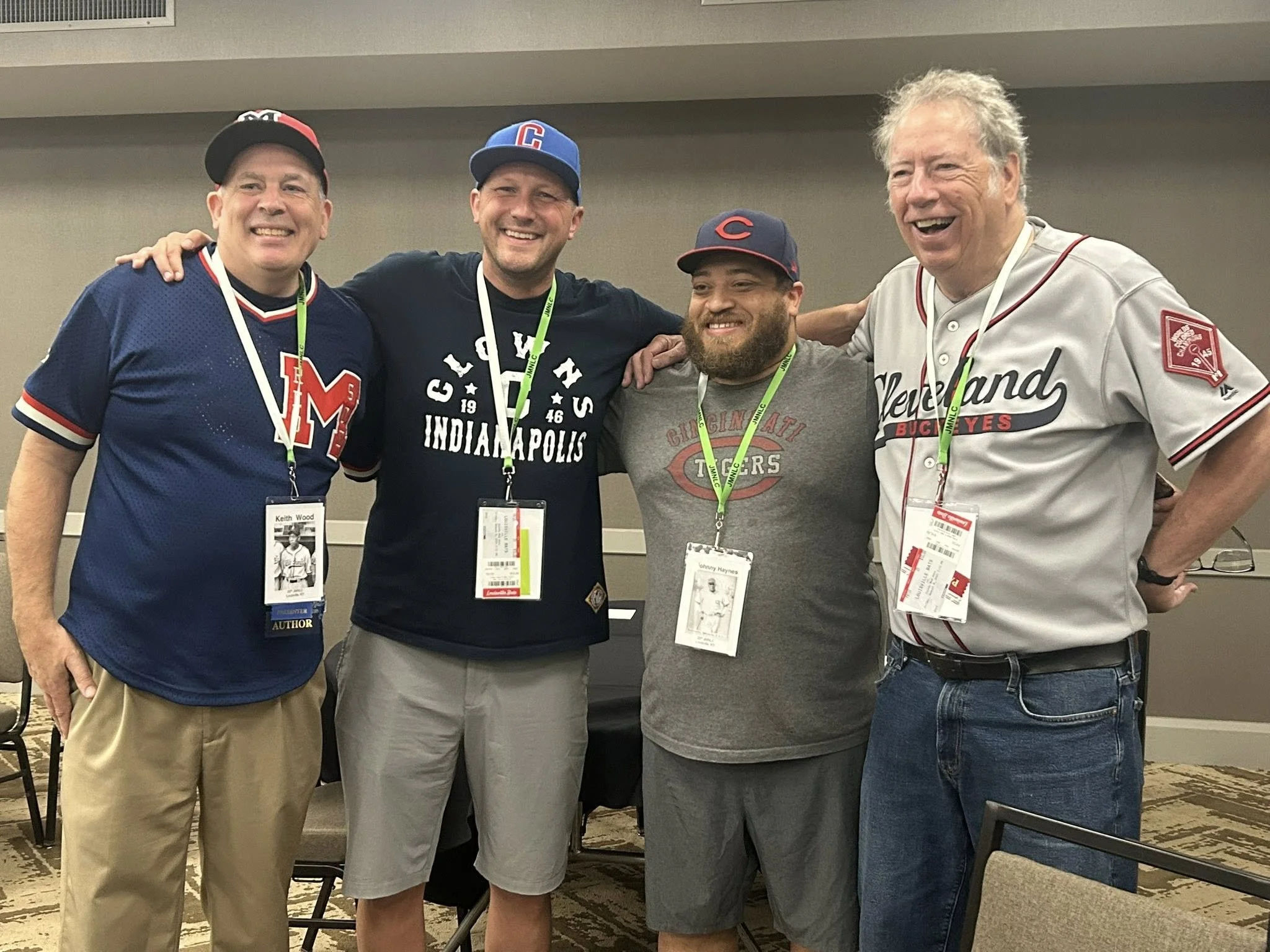

Check out this article -
Hot off the press
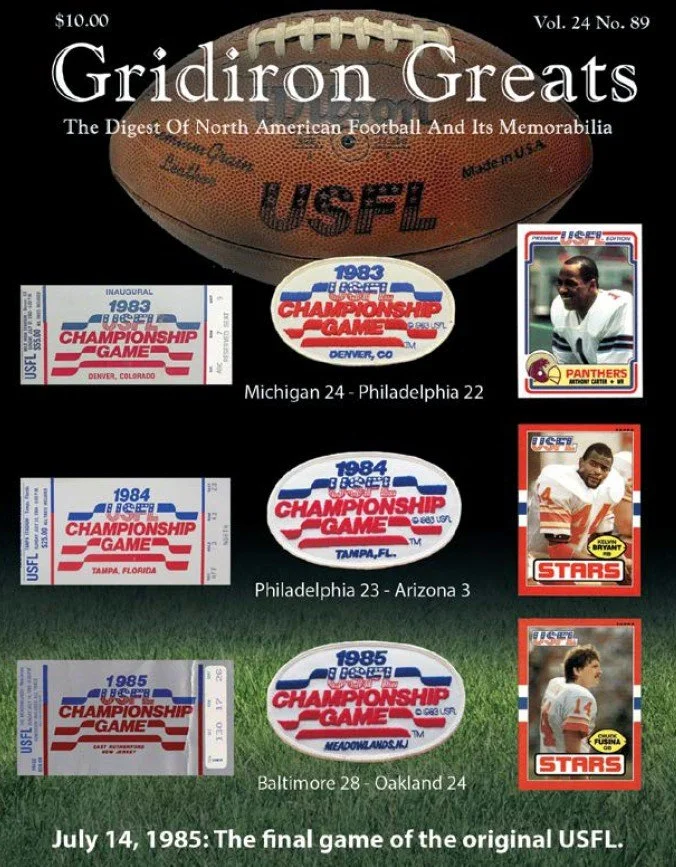
reggie White
&
The USFL
Click on the
Memphis Showboats - USFL
Tab to link to the article
Latest Review of Memphis Hoops


Jason Jordan (University of New Hampshire) teaches courses in African-American and US History. He received his undergraduate degree from Rhodes College in Memphis and his doctorate from the University of Illinois at Urbana-Champaign. His research centers on issues of race and its role in shaping modern America.

Memphis Showboats



Podcast
Sat down with my good friend from Nashville SABR, Skip Nipper, to talk about some Memphis Red Sox baseball. Skip loves all things baseball in Nashville, and that love extends west down I-40 to Memphis. This 30-minute pod only cracks the surface. But it tells a great story.
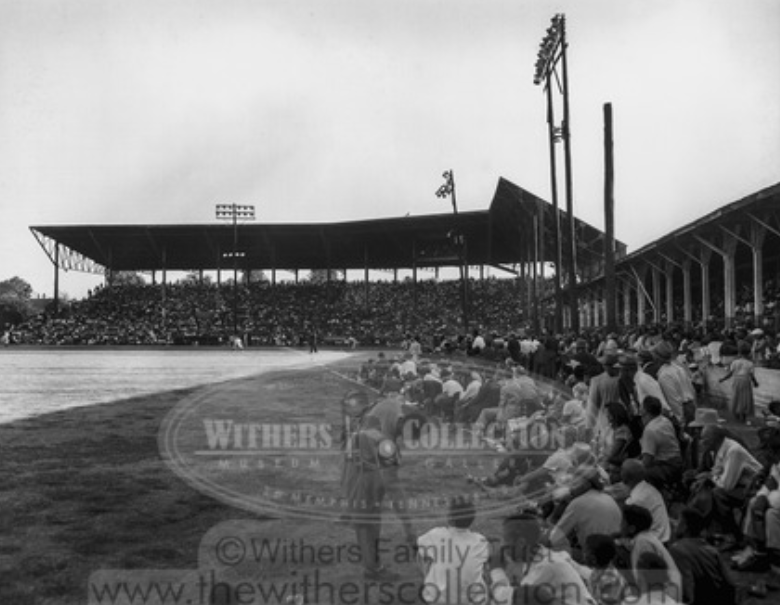
Memphis Redbirds celebrate
1938 Negro American League Pennant
August 10, 2024 - Memphis, TN


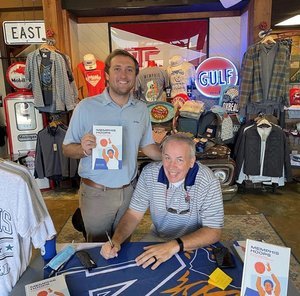

To get a copy of Memphis Hoops or The Memphis Red Sox, shop locally at Novel Books and Oxbeau, or online at Amazon and Barnes & Noble.
Links are attached to each icon.



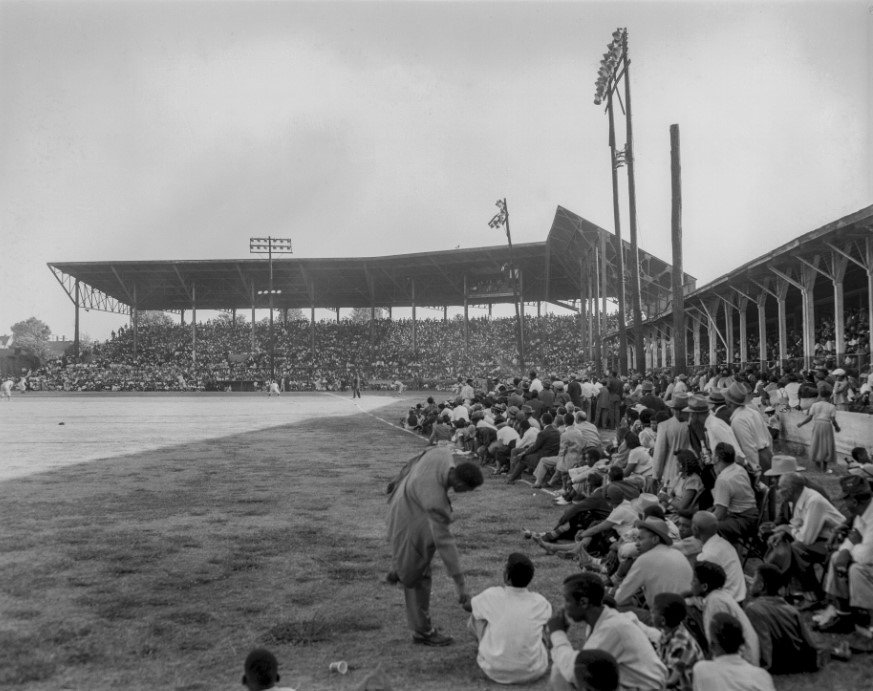
Memphis Red Sox
via
Atlanta Black CRackers
During the 1938 NAL Championship Season for the Red Sox, they played the Atlanta Black Crackers at Ponce De Leon Park in Atlanta. Credit: Atlanta Negro Chamber of Commerce Film Collection.